How I Found Financial Calm After the Storm – A Beginner’s Real Talk
Natural disasters don’t just wreck homes—they wreck budgets. I learned this the hard way when a hurricane wiped out my town and left me scrambling. Suddenly, emergency funds mattered more than ever. What started as panic turned into a journey toward stability. In the weeks that followed, I faced empty shelves, closed banks, and a paycheck that never came. But I also discovered something unexpected: financial peace isn’t about having a lot of money. It’s about making thoughtful choices, even under pressure. Here’s how I rebuilt my finances step by step, with real moves that actually worked—no jargon, just honesty.
When Disaster Hits, Your Wallet Feels It Too
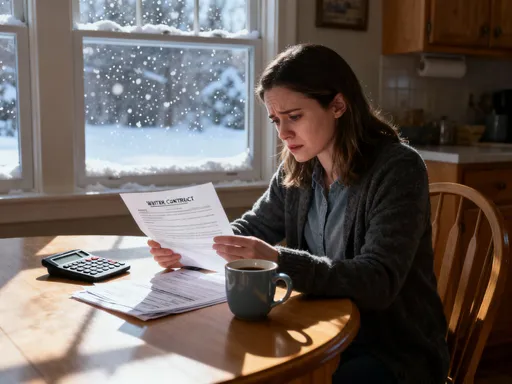
When the storm passed, the silence was almost worse than the wind. Our neighborhood was unrecognizable—roofs torn off, trees down, power lines tangled like yarn. But beyond the physical damage, something quieter and deeper had shifted: our sense of financial safety was gone. My husband’s job at the marina was suspended indefinitely. Our car, damaged by a fallen branch, needed repairs we couldn’t afford. And with the grocery store closed for two weeks, we were spending more on bottled water and canned beans than we had in months. The reality hit hard—disasters don’t discriminate between rich and poor; they expose who is prepared and who isn’t.
What made it worse wasn’t just the loss, but the cascade of decisions that followed. In the first week, I nearly signed up for a high-interest loan advertised at a temporary relief center. It promised fast cash, but the fine print revealed repayment terms that could trap us for years. Fear made me act impulsively. I wasn’t thinking long-term—I was thinking about keeping the lights on tonight. That’s when I realized: financial damage during a crisis isn’t only caused by the event itself, but by the choices we make in reaction to it. Panic spending, rushed loans, ignoring bills—these can extend the crisis long after the storm has ended.
But here’s the truth I wish someone had told me earlier: financial resilience isn’t about wealth. It’s about preparation, mindset, and knowing what to do when everything feels out of control. You don’t need a six-figure income to be financially strong. You need a plan, even a simple one. And that plan starts long before the sky turns dark. For families like mine, stability isn’t built in a day. It’s built through small, consistent habits—like saving a little each month, keeping important documents safe, or knowing where to turn when help is needed. The storm didn’t just take our roof; it revealed the cracks in our financial foundation. And that, strangely, became the first step toward healing.
The First Move: Stop the Bleeding
After the initial shock faded, I knew we had to act fast. Our monthly expenses hadn’t paused just because our income had. But continuing to spend as usual would only deepen the hole. The first step wasn’t about making money—it was about stopping the financial bleeding. I sat down with a notebook and listed every outgoing payment: mortgage, car loan, utilities, internet, subscriptions. Then I marked which ones were essential and which could be delayed or paused. The goal wasn’t to ignore responsibility, but to prioritize survival.
One of the most effective actions I took was calling our mortgage lender. I was nervous—what if they said no? But I explained our situation honestly: no income, storm damage, temporary displacement. To my surprise, they offered a 90-day forbearance. That meant no payments for three months, with no late fees or credit damage. We did the same with our car loan and utility providers. Many companies have hardship programs, especially after declared disasters, but you have to ask. No one is going to hand you relief—you have to reach out, explain your situation, and request support.
We also cut all non-essential spending. That meant canceling streaming services, pausing our gym membership, and switching to the cheapest phone plan. We stopped eating out completely. Even small expenses add up, and in a crisis, every dollar counts. I created a ‘bare-bones’ budget focused only on shelter, food, medicine, and communication. It wasn’t comfortable, but it was necessary. We used cash for everything, which helped us stay aware of each purchase. When you physically hand over money, you’re less likely to overspend than when tapping a card.
Another critical step was protecting ourselves from scams. After the storm, flyers appeared offering ‘free’ home repairs, ‘guaranteed’ disaster grants, or fast cash for insurance claims. Some even pretended to be from FEMA or local government. I learned to verify every offer. I only trusted official sources—like the state’s emergency website or our insurance agent. I never gave out personal information to strangers. Staying alert saved us from losing more than just money—it saved our peace of mind.
Why Cash Flow Is King in Chaos
With my husband’s job on hold, our regular income vanished overnight. That’s when I realized something fundamental: budgeting isn’t just about tracking expenses—it’s about managing cash flow. When money stops coming in, even the best budget fails. So we had to find ways to bring in small amounts of cash, quickly. He took temporary work with a storm cleanup crew—physically exhausting, but it paid daily. I started selling unused household items online. A spare laptop, old furniture, even books we’d never read again brought in a few hundred dollars. It wasn’t much, but it covered groceries and gas.
We also applied for disaster assistance through federal and local programs. The process wasn’t instant, but it was worth it. We received a one-time grant to help with temporary housing and another for essential home repairs. These weren’t handouts—they were safety nets designed for moments like this. I learned that government aid isn’t something to be ashamed of. It’s there for a reason: to help families bridge the gap when disaster strikes. We also connected with a local food bank, which reduced our grocery bill significantly. Community organizations often have resources that people don’t know about—soup kitchens, free childcare, even clothing drives.
To manage our limited funds, I created a crisis budget. It was different from our normal budget—shorter, simpler, and focused only on survival. I divided our available cash into weekly envelopes: food, transport, medicine, and emergencies. Once the money in an envelope was gone, we waited until the next payout. This method prevented overspending and gave us a sense of control. I also tracked every expense in a notebook. Seeing where the money went helped us adjust quickly. For example, we realized we were spending too much on bottled water, so we bought a filter pitcher instead.
One of the biggest lessons was learning to distinguish between survival spending and emotional spending. After days of stress, it was tempting to buy a coffee or a snack just to feel normal. But those small treats added up. I started asking myself: ‘Is this keeping me safe, or just making me feel better for five minutes?’ That simple question helped me make smarter choices. Cash flow isn’t just about numbers—it’s about discipline, honesty, and making every dollar work harder than ever before.
Rebuilding Your Safety Net from Scratch
Once we stabilized, I knew we couldn’t go back to living paycheck to paycheck. The storm had shown us how fragile that life was. So I made a quiet promise: we would rebuild our emergency fund, even if it started with just $5 a week. Many people think you need hundreds of dollars to begin saving, but that mindset keeps you stuck. Progress matters more than perfection. I opened a separate savings account at our credit union—one that wasn’t easy to access every day. Then I set up an automatic transfer of $10 every Friday. It felt tiny, almost pointless. But over time, those small amounts added up.
What helped most was changing how I thought about saving. Instead of seeing it as a luxury, I began to see it as protection. Every dollar saved was like a brick in a wall—one more barrier between us and the next crisis. I didn’t aim for $10,000 right away. My first goal was $500—enough to cover a car repair or a medical bill. When we reached that, we celebrated. Then we set the next goal: $1,000. The key was consistency, not speed. Even during months when money was tight, we kept the transfer going. Sometimes we had to adjust other spending, but we never stopped.
I also taught myself to protect the fund. This meant not dipping into it for non-emergencies—like birthday gifts or home decor. An emergency fund isn’t for convenience; it’s for true emergencies. I defined those clearly: job loss, major repair, medical crisis, or natural disaster. If it didn’t fit, we didn’t touch the money. This discipline took time, but it built trust—in the system, and in ourselves. We were no longer reacting to every financial bump. We were prepared.
Another shift was emotional. For years, I’d felt defeated by money. I believed we’d never get ahead. But watching that account grow—even slowly—changed my mindset. It gave me hope. I started seeing financial health as something we could control, not just endure. And that sense of agency was powerful. Rebuilding a safety net isn’t about getting rich. It’s about restoring dignity, reducing fear, and knowing you can handle whatever comes next.
Protecting What’s Left: Smart Risk Control
After the storm, I took stock of what we still had—and how to protect it. One of the first things I did was gather all our important documents: insurance policies, bank records, birth certificates, wills. I put them in a fireproof, waterproof safe. I also scanned and stored digital copies in a secure cloud folder. Losing paperwork in a disaster can delay aid, delay insurance claims, and create months of frustration. Having backups saved us weeks when we filed our claim.
I also reviewed our insurance policies carefully. We had homeowners insurance, but it didn’t cover flood damage—a common gap in many policies. The storm surge had caused most of the water damage, and that wasn’t included. We ended up paying thousands out of pocket. That was a painful lesson. Now, I make sure we have flood insurance, even though we’re not in a high-risk zone. I also increased our deductible slightly to lower premiums, but only because we now have a small emergency fund to cover the difference if needed.
Health insurance was another area we re-evaluated. Medical bills can be devastating after a disaster—whether from injuries, stress-related conditions, or lost medications. We made sure our plan covered telehealth visits, which turned out to be a lifesaver when clinics were closed. We also kept a small supply of essential medications on hand, so we wouldn’t be caught off guard.
One of the smartest moves was avoiding high-interest debt. It’s easy to turn to credit cards or payday loans when cash is tight, but those can trap you for years. I saw neighbors take out loans with 30% interest rates to repair their homes—only to struggle with payments long after the storm was forgotten. We chose patience over speed. We waited for grants, used community resources, and repaired our home in stages. It took longer, but we stayed in control. Protecting your finances isn’t just about money—it’s about protecting your future from preventable risks.
Investing in Stability, Not Returns
Before the storm, I thought investing was for people with extra money—people who could afford to lose some. I didn’t see how it could help someone like me. But after rebuilding, I realized that investing isn’t just about growing wealth. It’s about preserving it. For beginners, the goal shouldn’t be chasing high returns. It should be safety, access, and peace of mind. That’s why I started with low-risk options like high-yield savings accounts and certificates of deposit (CDs).
A high-yield savings account offered better interest than our regular bank—sometimes five times more—without any risk. The money was still accessible if we needed it, but it grew steadily over time. I moved a portion of our emergency fund there, knowing it was safe and working for us. CDs were another tool. We put a small amount into a 12-month CD, which gave us a slightly higher return in exchange for leaving the money untouched. It wasn’t exciting, but it was reliable. I learned that in finance, boring can be beautiful.
I avoided anything speculative—no stocks, no crypto, no ‘get-rich-quick’ schemes promoted online. Those might work for some, but they weren’t right for us. Our priority was stability, not speed. I began to see slow, steady growth as a form of protection. Every dollar earning interest was a dollar that could help us later. I also started learning the basics—compound interest, inflation, diversification—not to become an expert, but to make informed choices.
Investing, I realized, isn’t just for the wealthy. It’s for anyone who wants to build a more secure future. You don’t need thousands to start. You need patience, discipline, and a clear goal. For us, that goal was simple: never feel that helpless again. By choosing stability over speculation, we weren’t chasing riches—we were building resilience.
The Mindset Shift That Changed Everything
The most powerful change didn’t happen in our bank account—it happened in my mind. For months after the storm, I carried a quiet anxiety. Every loud noise made me tense. Every weather alert sent me checking the forecast. Trauma doesn’t just affect your body; it affects your decisions. I found myself hoarding cash, afraid to spend even on necessary repairs. I avoided financial news, fearing bad headlines. I was safe, but I didn’t feel safe.
Healing required more than money—it required routine. I started small: checking our budget every Sunday, reviewing our savings balance, writing down one financial win each week. These habits rebuilt my confidence. I wasn’t just surviving; I was managing. I began to see financial health as a form of self-care—like eating well or getting enough sleep. Taking care of our money was taking care of our family.
I also stopped measuring success by how much we had and started measuring it by how prepared we felt. We weren’t rich. But we had a plan. We had a fund. We had choices. That sense of control was more valuable than any dollar amount. I learned to forgive past mistakes—like not having flood insurance or saving too little. Guilt wouldn’t rebuild our home. Action would.
Today, I don’t think of financial calm as a destination. It’s a practice—one we renew every day. It’s in the automatic transfer, the monthly review, the quiet pride of saying, ‘We’re okay.’ The storm changed us. But it didn’t break us. And that, more than anything, is worth protecting.