Hidden Gems of Maafushi: Where Colorful Architecture Meets Tropical Light
You know that feeling when a place just feels different? Maafushi isn’t just another island in the Maldives—it’s a burst of color, culture, and charm. While most travelers chase overwater bungalows, I found myself captivated by something unexpected: the island’s vibrant, quirky architecture. From hand-painted murals to coral-stone homes, every corner tells a story. This is real, raw, and absolutely perfect for your next photo drop. More than a visual delight, Maafushi offers a rare glimpse into daily island life, where tradition and creativity live side by side. It’s not staged for tourists—it’s lived, loved, and proudly expressed through color, craft, and community.
Beyond the Postcard: Discovering Maafushi’s True Character
Maafushi stands apart from the typical Maldivian resort island, offering a refreshing contrast to the polished, private villas that dominate travel brochures. As one of the first local islands opened to independent tourism, it strikes a rare balance—welcoming visitors while preserving its authentic rhythms. Located just a short speedboat ride from the capital, Malé, Maafushi retains its cultural identity without sacrificing accessibility. Unlike the secluded luxury escapes, this island pulses with life: children biking down dusty lanes, fishermen mending nets by the harbor, and women preparing spiced tuna curry in open-air kitchens. It is this everyday authenticity that gives Maafushi its soul.
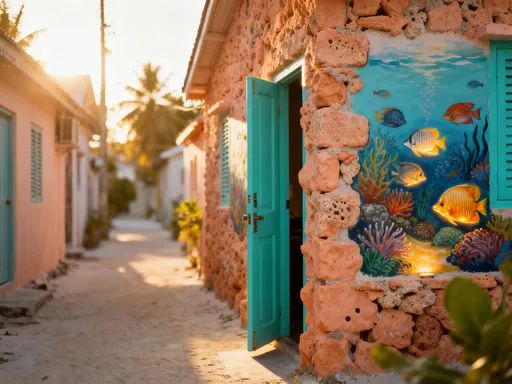
What makes Maafushi truly unique is how tradition and modernity coexist in its built environment. While many resort islands are designed for visual perfection—white walls, thatched roofs, and ocean views—Maafushi’s architecture tells a different story. Homes are not built for Instagram; they are built for living. Yet, in their modest scale and colorful details, they offer a more meaningful kind of beauty. You’ll see pastel-painted doors beside coral-stone walls, hand-carved wooden shutters, and rooftops made from repurposed shipping containers. These elements aren’t chosen for aesthetic trends but out of necessity, creativity, and local pride. The result is a streetscape that feels both spontaneous and deeply rooted in place.
Compared to other Maldivian islands, Maafushi’s visual identity is bold and unfiltered. Resort islands often follow strict design codes, creating a uniform, almost surreal atmosphere. In contrast, Maafushi’s buildings reflect individual expression. Each home is a personal statement—painted in the owner’s favorite color, adorned with hand-drawn motifs, or decorated with seashells and driftwood. This lack of standardization is precisely what makes the island so compelling to explore. There’s no single “look”—instead, there’s variety, surprise, and a sense of discovery around every turn. For travelers seeking more than just sun and sand, Maafushi offers a richer, more human experience.
The Heartbeat of the Island: Walking Through Maafushi’s Village Core
At the heart of Maafushi lies its village center—a labyrinth of narrow lanes where life unfolds in full view. As you walk, you’re not just observing; you’re participating in the island’s daily rhythm. The streets are lined with small, one- or two-story homes, each painted in cheerful hues: sunflower yellow, mint green, coral pink. Many are built from coral stone, a traditional material that has been used in Maldivian construction for centuries. The porous texture of the stone, weathered by sea salt and tropical sun, adds depth and character to the facades. Combined with bright paint and wooden trim, these homes create a patchwork of color and texture that feels both rustic and joyful.
Construction here is often a blend of tradition and improvisation. Timber frames, recycled from old boats or shipping crates, support roofs and balconies. Doors and shutters are handcrafted, sometimes painted with floral patterns or nautical symbols. You’ll notice that many homes incorporate recycled materials—metal sheets, glass bottles, even old tires—repurposed into functional or decorative elements. This resourcefulness is born from necessity, but it also reflects a deep respect for materials and a creative spirit. Nothing is wasted; everything has potential. This ethos gives Maafushi’s architecture a humble yet inventive charm that’s hard to find elsewhere.
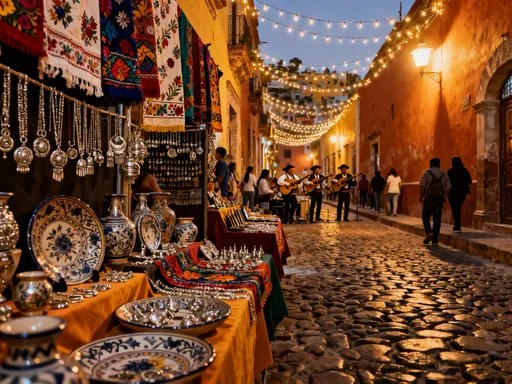
What truly brings these homes to life is the activity that surrounds them. Laundry flaps on lines strung between houses. Elderly men sip sweet tea under shaded verandas. Children chase each other through the alleys, their laughter echoing off the walls. These moments of daily life add authenticity to any photograph. Unlike staged scenes in tourist zones, here, life happens naturally. A woman frying flatbreads in a roadside kitchen, a fisherman sorting his catch, or a group of teens painting a wall—all of it unfolds without performance. For visitors, this means every photo captures not just a place, but a moment in time, rich with emotion and context.
Art That Speaks: Murals and Community Expression
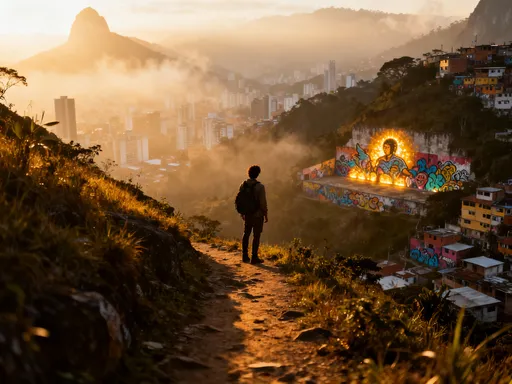
One of Maafushi’s most striking features is its street art. Across the island, blank walls have been transformed into vibrant canvases, telling stories of the sea, culture, and community. These murals are not the work of visiting artists or commercial commissions—they emerge from local youth groups and nonprofit initiatives aiming to beautify the island and inspire pride. Many depict marine life: manta rays gliding through blue waves, sea turtles nesting on sandy shores, or schools of neon fish darting through coral reefs. Others celebrate Maldivian legends, traditional dance, or daily island routines, like weaving palm fronds or sailing dhonis.
The impact of these murals goes beyond aesthetics. They serve as visual narratives, connecting residents to their heritage and inviting visitors to look deeper. A large painting near the harbor shows generations of fishermen, from grandfathers in wooden boats to young men using modern nets. Another mural in the schoolyard honors women who preserve traditional crafts, their hands busy with mat weaving and cloth dyeing. These images don’t just decorate—they educate and affirm. For photographers, they offer powerful subjects: bold compositions, rich colors, and meaningful content that elevates a simple snapshot into a storytelling image.
Timing is key when photographing these murals. In the early morning, soft light from the east gently illuminates walls facing the sea, reducing glare and enhancing detail. This is especially true for large-scale works on the eastern side of the island, where the rising sun casts a golden glow across the paint. By midday, harsh overhead light creates strong contrasts and deep shadows, which can be used creatively but may wash out colors. Late afternoon, during the golden hour, offers the most flattering conditions—warm, diffused light that wraps around the textures of the wall and brings out the vibrancy of the pigments. For best results, visit murals at different times to see how light transforms their mood and impact.
Color as a Language: The Palette of Maafushi’s Buildings
In Maafushi, color is more than decoration—it’s a form of communication. The island’s buildings speak through their palettes: turquoise doors signal hospitality, coral-red walls honor tradition, and sea-green shutters reflect the surrounding ocean. These choices are not random; they often carry cultural or emotional significance. For instance, bright colors help homes stand out in a densely built environment, making them easier to identify. They also provide psychological relief from the tropical heat—lighter tones reflect sunlight, while cheerful hues uplift the spirit. Over time, a distinctive visual language has emerged, one that blends practicality with personal expression.
The most common color combinations are both harmonious and surprising. You’ll see houses with white coral walls and electric-blue trim, or yellow facades paired with deep purple doors. Teal shutters are a favorite, often contrasted with warm-toned wood or rust-colored roofs. These pairings create visual interest and depth, especially under the island’s intense tropical light. Sunlight in Maafushi is strong and direct, but it also enhances textures—rough stone, peeling paint, wooden grain—giving photos a tactile quality. When the sun hits a turquoise door at a 45-degree angle, for example, it reveals every brushstroke and weathering mark, turning a simple shot into a study of light and material.
To capture these details effectively, photographers should consider composition techniques that emphasize contrast and framing. Use shadows to create leading lines or natural borders—early morning and late afternoon offer long, dramatic shadows that can guide the viewer’s eye. Frame a brightly painted door with overhanging palm fronds or a stone archway to add layers and context. Reflections in puddles, windows, or even polished metal surfaces can double the visual impact, adding symmetry and depth. A polarizing filter can help reduce glare on glossy painted surfaces, ensuring colors appear true to life. With mindful composition, even a smartphone can produce gallery-worthy images that honor the island’s spirit.
Hidden Corners Only Locals Know
While the main lanes of Maafushi are lively and photogenic, some of the most enchanting spots are tucked away from the foot traffic. Behind the bustling market, a network of quiet alleys winds through clusters of pastel houses—soft pinks, baby blues, and buttery yellows—many with flower pots on windowsills and hand-carved nameplates. These areas are rarely included in tourist itineraries, but they offer some of the most intimate glimpses into island life. Because they’re residential, they remain untouched by commercialization, preserving their authenticity and charm.
One such hidden gem is a small seaside prayer area, discreetly nestled between two homes near the southern coast. With its turquoise-trimmed walls and simple wooden bench, it faces the open ocean, offering a quiet space for reflection. At sunrise, the light spills across the water, casting a soft glow on the structure. It’s a peaceful, reverent spot—ideal for contemplative photography, but only if approached with respect. Visitors should avoid loud noises, refrain from entering during prayer times, and never position themselves in a way that disrupts the sanctity of the space. A distant, wide-angle shot often captures the mood more effectively than a close-up.
When taking candid photos in residential zones, the key is discretion and courtesy. Always smile and nod to residents; if someone gestures no, move on gracefully. Avoid photographing children without permission, and never peer into open windows or doorways. The best approach is to wait for moments of natural interaction—a woman hanging laundry, a man repairing a bicycle, a cat napping on a doorstep. These scenes unfold organically and, when captured respectfully, convey the true essence of Maafushi. Remember, you’re a guest in someone’s home. Treating the island with care ensures that its beauty remains intact for future visitors.
Practical Magic: When and How to Photograph These Spots
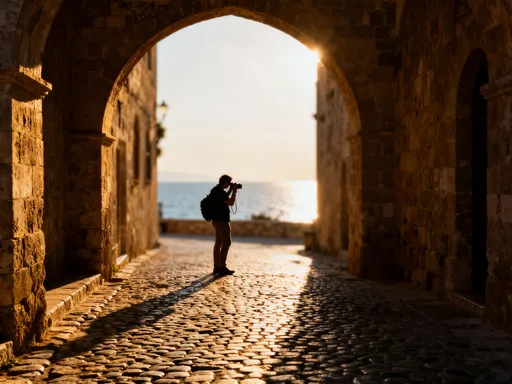
To make the most of Maafushi’s visual offerings, timing and preparation are essential. The best time to explore and photograph is early morning, between 6:00 and 8:30 a.m., when the light is soft, the air is cool, and the streets are quiet. Fishermen are active at the harbor, children walk to school, and shopkeepers open their stalls—ideal moments for authentic street photography. Late afternoon, from 4:30 to 6:30 p.m., offers the golden hour, when the sun dips low, casting warm, diffused light across buildings and murals. This is prime time for portraits, architectural shots, and silhouette photography against the ocean.
Midday should be approached with intention. While the light is harsh, it can be used creatively to emphasize textures, shadows, and bold colors. Seek shaded areas—under palm trees, inside narrow alleys, or beneath verandas—where contrast is more manageable. A hat, water bottle, and lightweight clothing will help you stay comfortable during these hours. If possible, return to key locations at different times of day to see how light transforms the same scene. A mural that looks flat at noon can become luminous at sunset.
As for gear, you don’t need professional equipment to capture stunning images. Modern smartphones, especially those with portrait mode and night photography features, perform exceptionally well in Maafushi’s conditions. However, a lightweight mirrorless camera with a 35mm or 50mm lens offers greater control over depth of field and low-light performance. A small tripod can be useful for long exposures during twilight. A polarizing filter reduces reflections on painted surfaces and enhances sky contrast, while a neutral density filter allows for slower shutter speeds in bright light—perfect for smoothing ocean waves in coastal shots.
Cultural etiquette is just as important as technical skill. When walking through residential areas, dress modestly—cover shoulders and knees, especially near homes and prayer spaces. Avoid loud conversations or intrusive behavior. If a resident waves or smiles, a simple greeting in Dhivehi, like “Assalaamu alaikum” (peace be upon you), goes a long way. These small gestures build trust and open doors—sometimes literally—to more meaningful interactions and photographs. Remember, the goal is not just to take pictures, but to connect with the place and its people.
Why This Matters: Preserving Authenticity in Island Tourism
As Maafushi grows in popularity, the risk of over-tourism looms. More visitors mean more demand for accommodations, services, and experiences—but without careful management, this can erode the very qualities that make the island special. There’s a danger that unique homes may be replaced with generic guesthouses, that quiet lanes may become crowded with tour groups, and that local traditions may be reduced to performances for cameras. The island’s charm lies in its authenticity; once lost, it’s nearly impossible to recover.
Responsible tourism—and responsible photography—can help protect Maafushi’s identity. When travelers share images that honor the island’s culture, they raise awareness and foster appreciation. A photo of a hand-painted mural, captioned with its story, does more than look beautiful—it educates. A portrait of a fisherman, taken with permission and shared with dignity, humanizes the destination. These acts of mindful storytelling can inspire others to visit with respect, not just consumption. Social media, when used thoughtfully, becomes a tool for preservation, not exploitation.
Local pride is another powerful force. When residents see their homes and traditions celebrated in a positive light, they’re more likely to preserve them. Photography initiatives led by community groups—such as mural projects or cultural festivals—can empower youth and strengthen identity. Travelers who support these efforts, whether by visiting, sharing, or donating, contribute to sustainable development. The goal is not to freeze Maafushi in time, but to help it evolve with integrity, balancing modern needs with cultural continuity.
In the end, Maafushi is not just a backdrop for vacation photos. It is a living, breathing community—a place where color, light, and life intertwine. To visit is to witness resilience, creativity, and warmth. To photograph it is to participate in a story much bigger than oneself. So the next time you plan a tropical escape, consider going beyond the postcard. Step into the lanes of Maafushi, listen to its rhythms, and let its colors speak. You might just find that the most beautiful destinations aren’t the most polished—they’re the ones that feel real.