You Won’t Believe What Victoria’s Art Scene Hides
Victoria, Canada, isn’t just about tea and roses—its cultural soul runs deep. As I wandered through quiet streets and sunlit galleries, I discovered how art shapes this coastal city’s identity. From Indigenous expressions to contemporary masterpieces, each venue tells a story. This is more than sightseeing—it’s a sensory journey into creativity rooted in place, history, and community. The air here carries more than ocean mist; it hums with quiet inspiration, where every alleyway, museum, and studio reveals layers of artistic devotion. In a world where destinations often feel commercialized, Victoria stands apart—a city where art is not an afterthought, but the very rhythm of daily life.
The Heartbeat of a Coastal Capital
Perched at the southern tip of Vancouver Island, Victoria’s geography has long shaped its cultural identity. Nestled between the Salish Sea and lush temperate rainforests, the city draws creative energy from its natural surroundings. The Pacific Northwest aesthetic—defined by clean lines, organic materials, and reverence for nature—is evident in everything from architecture to sculpture. This environment nurtures a contemplative kind of artistry, one that values balance, sustainability, and connection to the land. Artists here don’t just depict the landscape—they respond to it, echoing the tides, the towering firs, and the ever-changing light on the water.
Historically, Victoria’s colonial past as a British outpost introduced European artistic traditions, particularly in architecture and portraiture. However, what makes the city’s art scene truly distinctive is the ongoing dialogue between these imported forms and the deep-rooted artistic practices of the Coast Salish peoples. For thousands of years, Indigenous communities have expressed identity, history, and spiritual beliefs through intricate carving, weaving, and ceremonial design. Today, their legacy is not confined to museums—it lives in public spaces, collaborative projects, and the work of contemporary Indigenous artists who continue to innovate while honoring tradition. This convergence of influences creates a layered cultural fabric, where art serves as both memory and evolution.
The city’s modest size contributes to its artistic authenticity. Without the overwhelming scale of larger metropolises, Victoria fosters intimacy between creators and audiences. Galleries are approachable, studios often welcome visitors, and public art feels personal rather than performative. There is no pressure to conform to global trends; instead, local artists are encouraged to explore regional themes, materials, and stories. This has cultivated a reputation for sincerity and craftsmanship, attracting visitors who seek meaningful cultural experiences rather than spectacle. The result is a creative ecosystem where art is not only displayed but deeply integrated into the rhythm of community life.
Art That Speaks: The Museum of Anthropology at UVic
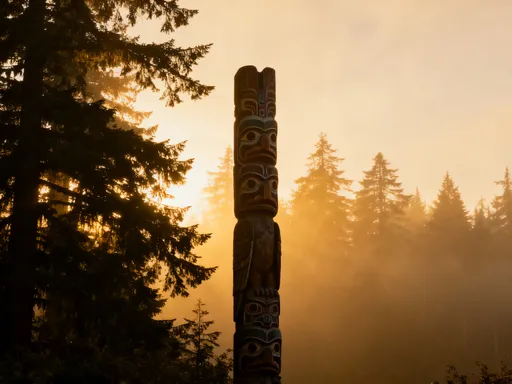
Though often associated with Vancouver, the Museum of Anthropology (MOA) at the University of Victoria extends its influence deeply into the region’s cultural consciousness. Its satellite exhibitions and collaborative programs bring world-class Indigenous art to the capital city, offering residents and visitors profound encounters with Northwest Coast First Nations heritage. The museum’s collection—renowned internationally—includes monumental totem poles, intricately carved masks, and ceremonial regalia, each piece serving as a vessel of ancestral knowledge. These are not static artifacts behind glass; they are living expressions of identity, language, and spiritual continuity.
What sets this institution apart is its commitment to community-led curation. Many exhibits are developed in partnership with First Nations elders, artists, and knowledge keepers, ensuring that narratives are shared with accuracy and respect. This collaborative approach transforms the visitor experience from passive observation to active learning. Guests are invited to listen, reflect, and understand the cultural context behind each object. Audio guides often feature voices from the communities themselves, recounting oral histories and explaining the significance of design elements such as ovoids, U-shapes, and formline patterns. This depth of storytelling fosters empathy and connection, bridging gaps between cultures.
For families and lifelong learners alike, the museum offers educational programs that go beyond the visual. Workshops on traditional carving techniques, drumming circles, and storytelling sessions provide immersive experiences that honor living traditions. Temporary exhibits frequently highlight contemporary Indigenous artists who blend ancestral motifs with modern media, demonstrating the resilience and adaptability of cultural expression. The emotional impact of these encounters is profound—many visitors describe a sense of reverence, even transformation, after spending time in these spaces. In a world where Indigenous voices have often been marginalized, Victoria’s engagement with these works represents a quiet but powerful act of recognition and respect.
Inside the Legacy: The Art Gallery of Greater Victoria
Set within a historic 19th-century mansion surrounded by tranquil gardens, the Art Gallery of Greater Victoria offers a seamless blend of heritage and innovation. The building itself—a restored heritage home with Georgian and Italianate features—acts as a prelude to the artistic journey within. Its interior spaces transition from ornate woodwork and stained glass to sleek, modern galleries, mirroring the institution’s dual mission: to preserve tradition while embracing the new. This architectural duality reflects the city’s broader artistic identity, where reverence for the past coexists with a bold commitment to contemporary expression.
The gallery’s permanent collection emphasizes Canadian and regional artists, with a strong focus on watercolor, printmaking, and Asian art. Notably, its Japanese tea house and garden—a designated cultural site—host seasonal tea ceremonies and calligraphy demonstrations, reinforcing cross-cultural appreciation. Rotating exhibitions introduce visitors to emerging talents and thematic explorations, from environmental art to social commentary through mixed media. Curators take care to contextualize each piece, providing insight into the artist’s process, inspiration, and cultural significance. This thoughtful presentation elevates the experience beyond mere viewing into a form of dialogue.
What makes the Art Gallery of Greater Victoria especially accessible is its emphasis on education and inclusivity. Guided tours, family activity kits, and artist talks are designed to engage audiences of all ages and backgrounds. Special programs for seniors and school groups ensure that art remains a shared civic resource rather than an elite pursuit. The gallery also partners with local organizations to host community exhibitions, giving amateur and underrepresented artists a platform to share their work. This democratization of space reflects a deeper philosophy: that art belongs to everyone. Whether one comes to admire a masterful landscape or participate in a hands-on workshop, the atmosphere is one of warmth and invitation.
Street Art with a Story: Murals and Public Installations
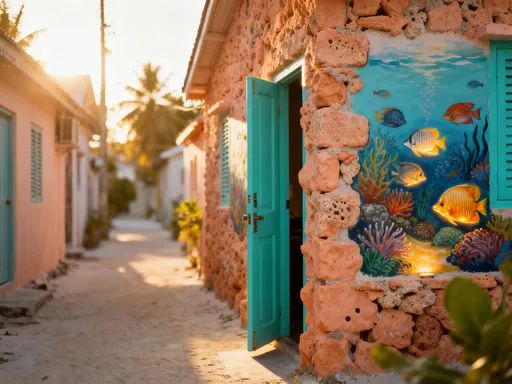
Wandering through downtown Victoria, one quickly realizes that art is not confined to galleries—it thrives on sidewalks, alleyways, and building facades. The city’s support for public art has transformed ordinary urban spaces into vibrant storytelling canvases. Murals in neighborhoods like Old Town and Chinatown depict everything from maritime history to environmental advocacy, each piece contributing to a visual narrative of community values. These works are more than decoration; they are statements of identity, pride, and resilience, often born from collaboration between local artists and residents.
Fan Tan Alley, one of the narrowest streets in Canada, has become an open-air gallery where color bursts from every wall. Here, murals reflect the cultural richness of Victoria’s Chinese-Canadian community, celebrating heritage while addressing themes of immigration and belonging. Elsewhere, large-scale pieces on commercial buildings honor marine conservation, featuring orcas, salmon, and kelp forests in bold, expressive styles. These installations do more than beautify—they spark conversation, inviting passersby to pause and consider the messages embedded in the imagery. The city’s public art program ensures that new works are regularly commissioned, keeping the visual landscape dynamic and responsive to current events.
What makes Victoria’s street art particularly impactful is its integration into daily life. Unlike in cities where murals are concentrated in trendy districts, here they appear in unexpected places—on school walls, utility boxes, and even stairwells. This ubiquity ensures that art is not something one must seek out deliberately but something encountered naturally in the course of errands or walks. For families, this means children grow up surrounded by creativity, learning to see beauty and meaning in their environment. The city’s investment in these projects reflects a broader understanding: that accessible art strengthens social cohesion and fosters civic pride.
Crafting Culture: The Role of Artist Studios and Collectives
Beyond galleries and murals, Victoria’s creative spirit flourishes in its working studios and artist collectives. Neighborhoods like James Bay and Rock Bay have become hubs for hands-on artistic practice, where visitors can observe artisans at work and even participate in the creative process. Pottery studios offer wheel-throwing classes, printmaking collectives host open studio nights, and glassblowing workshops allow guests to shape molten glass under expert guidance. These experiences provide a rare intimacy—seeing the artist’s hands in motion, feeling the texture of clay, or watching color swirl into glass—creates a deeper appreciation for the skill and intention behind each piece.
Many of these spaces operate as cooperatives, where artists share tools, resources, and exhibition opportunities. This collaborative model supports emerging talents who might otherwise struggle to establish themselves independently. It also fosters a sense of community among creators, encouraging mentorship, feedback, and joint projects. Seasonal open studio events, such as the annual Island Craft Month, invite the public to tour these spaces, meet artists, and purchase directly from makers. This direct connection between creator and consumer not only sustains livelihoods but also reinforces the value of handmade, locally produced art in an age of mass production.
For visitors, especially those traveling with family, these studios offer meaningful alternatives to conventional tourism. Instead of simply buying souvenirs, one can create a piece to take home—a mug shaped on a potter’s wheel, a hand-printed textile, or a fused glass ornament. These tangible outcomes become lasting memories, imbued with personal effort and local context. Moreover, the emphasis on process over product aligns with a growing desire for authentic, slow travel experiences. In these studios, time slows down, attention sharpens, and creativity becomes a shared act of discovery.
Seasonal Rhythms: Festivals That Bring Art to Life
Victoria’s artistic energy pulses most vividly during its seasonal festivals, when the city transforms into a living canvas of performance, installation, and participation. The annual Victoria Arts Festival, held each summer, turns parks, plazas, and waterfronts into stages for music, dance, and visual art. Local artists set up booths along tree-lined avenues, offering paintings, jewelry, and textiles for sale. Street performers entertain crowds, while interactive exhibits invite children and adults alike to paint, sculpt, or compose music on-site. The atmosphere is festive yet unhurried, reflecting the city’s laid-back charm and deep appreciation for creative expression.
During the winter months, the Festival of Lights at Butchart Gardens draws thousands with its dazzling display of illuminated sculptures and themed pathways. While primarily a horticultural attraction, the event incorporates significant artistic elements—light installations designed by local artists, musical performances, and storytelling tents that blend art with seasonal tradition. These temporary interventions remind residents and visitors that beauty can be both fleeting and profound. Other events, such as the Mural Fest and the Island Design Week, focus specifically on visual and applied arts, featuring artist talks, design showcases, and community workshops.
What unites these festivals is their emphasis on inclusivity and participation. Unlike elite art fairs, they are designed to be accessible to all, with free admission, family-friendly programming, and multilingual resources. They also serve as economic and social catalysts, supporting local businesses and strengthening neighborhood ties. More than just entertainment, these gatherings reaffirm art’s role as a communal heartbeat—one that quickens with the seasons and brings people together in shared wonder.
Beyond the Gallery: How to Experience Art Like a Local
To truly appreciate Victoria’s art scene, one must move beyond scheduled visits and embrace a slower, more intuitive way of exploring. Locals often begin their days with coffee in historic districts like Fernwood or Uptown, where café walls display rotating works by regional artists. A morning walk along the Dallas Road seawall offers not only ocean views but glimpses of sculptural installations nestled among the rocks. Midday might include a visit to a gallery followed by lunch at a restaurant featuring local pottery and paintings—a reminder that art in Victoria is woven into everyday spaces.
Timing matters. Weekday mornings tend to be quieter, allowing for more contemplative gallery experiences, while weekends bring energy to public markets and studio openings. Purchasing a cultural pass can provide access to multiple venues at a reduced rate, making it easier to explore broadly. Walking routes connecting the Art Gallery of Greater Victoria, the Royal BC Museum, and downtown murals allow visitors to experience art in context, with historic architecture and natural scenery as constant companions. For those with limited time, focusing on one neighborhood—such as Chinatown or James Bay—can yield a rich, immersive experience without feeling rushed.
Equally important is the mindset with which one engages. Rather than rushing to check off landmarks, Victoria rewards mindfulness—pausing to study a mural’s details, asking a potter about their process, or simply sitting in a garden to absorb the atmosphere. Many locals keep sketchbooks or cameras not to document perfection, but to capture moments of inspiration. Visitors are encouraged to do the same, allowing the city’s creative spirit to unfold gradually. In doing so, one doesn’t just see art—they begin to feel it as part of the city’s living breath.
Why Victoria’s Art Matters
Victoria’s art scene is more than a collection of galleries and festivals—it is a testament to the enduring power of creativity in shaping identity and community. In a time when many places struggle with cultural homogenization, this city has preserved a unique artistic voice by honoring its Indigenous roots, supporting local makers, and inviting public participation. Its institutions do not merely display art; they cultivate connection, understanding, and resilience. Each mural, carving, and handmade bowl carries a story—not just of the artist, but of the land, the people, and the values they hold dear.
For visitors, especially those seeking meaningful travel experiences, Victoria offers a rare opportunity: to witness art not as a commodity, but as a living practice. It challenges the notion that creativity belongs only to the elite or the distant past, instead showing how it thrives in studios, streets, and shared spaces. This accessibility fosters a deeper kind of engagement—one that lingers long after the trip ends. Whether one comes to admire a centuries-old totem pole or paint their first mural, the experience becomes personal, reflective, and transformative.
Ultimately, Victoria’s art matters because it reminds us that beauty and meaning are not luxuries, but necessities. In schools, hospitals, and public squares, creative expression sustains well-being, strengthens community bonds, and preserves cultural memory. To explore this city’s artistic landscape is to be invited into a quiet revolution—one where imagination is honored, tradition is honored, and every individual is seen as a potential creator. Come with curiosity. Stay with openness. And let Victoria’s hidden art reveal not just its soul, but your own.