You Won’t Believe These Hidden Natural Escapes in Warsaw
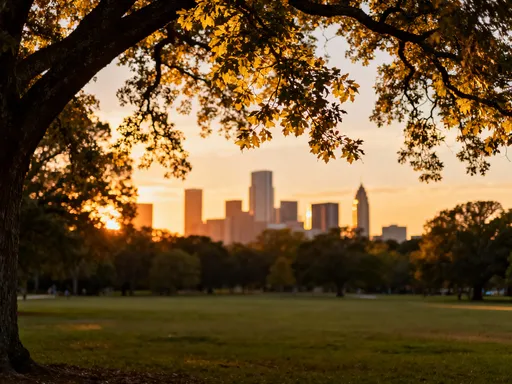
When you think of Warsaw, Poland, skyscrapers and history museums probably come to mind—but what if I told you the city is also a gateway to stunning natural landscapes? I was blown away by how easily I swapped pavement for pine forests, city buzz for bird songs. From riverside trails to wildflower meadows, Warsaw’s green secrets are real and totally accessible. This isn’t just a city trip—it’s an immersive nature escape waiting to be discovered. While many travelers overlook Warsaw as purely urban, those who take a closer look find a metropolis deeply intertwined with nature. Beneath its reconstructed facades and modern skyline lies a network of parks, rivers, forests, and protected areas that offer peace, beauty, and a breath of fresh air. Whether you're seeking quiet reflection, family-friendly trails, or scenic bike routes, Warsaw delivers with surprising depth and ease. The city’s commitment to preserving and enhancing its green spaces makes it one of Europe’s most balanced urban environments—where nature isn’t an afterthought, but a living, breathing part of daily life.
Beyond the Concrete: Warsaw’s Green Heartbeat
Warsaw defies the stereotype of a dense, concrete-heavy capital. Despite its status as Poland’s largest city and political center, over 25% of its total area is composed of parks, green corridors, forests, and waterways. This impressive green coverage is not accidental—it reflects decades of thoughtful urban planning and a cultural appreciation for nature. After the devastation of World War II, when much of the city was reduced to rubble, reconstruction included not only buildings but also the revival of green spaces. Today, these areas serve as vital lungs for the city, filtering air, reducing noise pollution, and providing habitats for wildlife. They also play a crucial role in the well-being of residents, offering accessible places to walk, exercise, and relax away from traffic and screens.
What sets Warsaw apart is how seamlessly nature is integrated into everyday life. Unlike cities where parks are isolated oases, Warsaw’s green spaces form a connected network. Residents can walk or cycle from one district to another using tree-lined avenues, riverside paths, or forest trails. Schools organize outdoor lessons in nearby woods, families picnic in meadows during weekends, and office workers take lunch breaks beneath old oaks. This deep connection fosters a culture of environmental awareness and stewardship. Local initiatives often focus on planting native trees, protecting pollinators, and restoring wetlands—efforts supported by both community groups and municipal programs.
The city’s green infrastructure also contributes to climate resilience. With rising temperatures and more frequent heatwaves, shaded parks and tree-canopied streets help cool neighborhoods naturally. Wetlands along the Vistula River absorb floodwaters during heavy rains, reducing pressure on drainage systems. These ecological benefits are increasingly recognized by city planners, who continue to expand green zones even as urban development grows. For visitors, this means that exploring Warsaw’s nature doesn’t require long journeys or special equipment—it’s right at street level, waiting to be noticed. Whether it’s a quiet grove behind a housing complex or a sprawling forest on the edge of town, nature in Warsaw is not hidden—it’s simply waiting to be embraced.
Łazienki Park: Where City Meets Serenity
At the heart of Warsaw lies Łazienki Park, a masterpiece of landscape design and one of the city’s most cherished natural gems. Spanning over 76 hectares, this former royal estate blends formal gardens, romantic bridges, classical architecture, and wilder woodland areas into a harmonious whole. Once the summer residence of King Stanisław August Poniatowski, the park today welcomes thousands of locals and tourists seeking tranquility amid the urban rush. Its name, which means “baths” in Polish, comes from the 17th-century bathhouse that still stands on an island in the central lake—a picturesque landmark surrounded by swans and weeping willows.
Walking through Łazienki feels like stepping into a living painting. In spring, cherry blossoms line the pathways in soft pinks and whites, drawing crowds for quiet admiration. Summer brings lush greenery, blooming rhododendrons, and the gentle hum of bees among the flowerbeds. Autumn transforms the park into a tapestry of gold, amber, and crimson, while winter dusts the trees with snow, creating a serene, almost magical atmosphere. The park is home to centuries-old trees, including majestic oaks and towering pines, some of which have stood since the 18th century. Birdwatchers delight in spotting kingfishers, woodpeckers, and herons, while families often pause to observe the park’s free-roaming peacocks, whose iridescent feathers shimmer in the sunlight.
Beyond its beauty, Łazienki offers a range of peaceful activities. Early risers jog along paved paths or practice tai chi near the amphitheater. On summer Sundays, the Chopin Monument hosts open-air piano concerts, where locals gather on the grass to listen to classical music drifting across the water. Couples stroll hand-in-hand, children fly kites on open lawns, and photographers capture reflections of the palace in the still lake. Despite its popularity, the park never feels overcrowded—its vast size and winding trails ensure there’s always a quiet corner to sit and breathe. Accessibility is excellent, with multiple entrances, clear signage, and wheelchair-friendly routes. For anyone visiting Warsaw, Łazienki is not just a park—it’s an essential experience, a place where culture and nature coexist in perfect balance.
The Vistula River Corridor: A Natural Lifeline
Flowing through the eastern edge of Warsaw, the Vistula River is more than a geographic feature—it’s a dynamic natural corridor that shapes the city’s rhythm and character. As Poland’s longest river, the Vistula has long served as a transportation route, a source of water, and a boundary between regions. Today, its banks within Warsaw have been revitalized into a vibrant recreational zone, offering residents and visitors a refreshing escape from urban life. Along its course, wide walking and cycling paths stretch for kilometers, connecting neighborhoods and green spaces. These trails are heavily used year-round, whether for morning runs, evening strolls, or weekend bike rides with family.
One of the most popular spots along the river is Plaża Wojska Polskiego, a man-made beach that draws crowds in summer. Though not a natural shoreline, this sandy stretch provides a rare opportunity to swim, sunbathe, or play beach volleyball just minutes from downtown. Nearby, floating cafes and kiosks serve cold drinks and light meals, adding to the relaxed, vacation-like vibe. For those seeking quieter experiences, the river’s edges offer reed beds, small wetlands, and hidden coves where kingfishers dart and frogs croak in warm months. Birdwatchers appreciate the seasonal migrations, when herons, egrets, and even white-tailed eagles can be spotted soaring above the water.
The Vistula also supports active outdoor pursuits. Kayaking and stand-up paddleboarding have grown in popularity, especially during calm summer evenings when the water reflects the sky in shades of pink and orange. Several rental companies offer equipment and short guided tours, making it easy for beginners to try. Cyclists enjoy the long, uninterrupted paths that follow the river southward, leading to quieter districts and eventually into surrounding countryside. Safety is well-managed, with lifeguards on duty at official swimming areas and clear signage about currents and access points. Even in winter, the river remains a destination—frozen sections attract walkers, and the open water continues to draw photographers and nature lovers. By embracing the Vistula as both a natural and recreational asset, Warsaw has turned a once-overlooked waterway into one of its most valuable green resources.
Kampinos National Park: Wilderness on the Doorstep
Just 20 kilometers west of central Warsaw lies Kampinos National Park, a vast expanse of ancient forests, shifting sand dunes, and untouched wetlands that feels worlds away from the city. Covering over 385 square kilometers, this UNESCO-designated biosphere reserve protects one of Europe’s last remaining lowland forest ecosystems. What makes Kampinos truly remarkable is its proximity—within half an hour by train or car, visitors can step into a landscape shaped by glaciers, wind, and time. The park is home to rare plant species, including the dwarf birch and sand sedge, as well as animals like wild boar, deer, beavers, and the iconic European bison, which roam freely in protected enclosures.
The terrain here is diverse and captivating. In the north, dense pine forests create a hushed, cathedral-like atmosphere, where sunlight filters through tall canopies and moss covers the forest floor. To the south, open sand dunes rise like miniature deserts, shaped by wind and dotted with hardy grasses and wildflowers. Between them lie marshes and peat bogs, where dragonflies hover and amphibians thrive. Wooden boardwalks and well-marked trails allow visitors to explore these fragile ecosystems without disturbing them. Guided nature walks, often led by park rangers, provide insights into the area’s geology, flora, and conservation efforts. Families especially enjoy the educational trails, which include interactive signs and observation platforms.
For hikers, Kampinos offers routes ranging from short 2-kilometer loops to multi-day treks. The most famous trail, the “Amber Route,” follows an ancient trade path once used to transport Baltic amber. Today, it winds through quiet woods and past historic wooden chapels, offering a sense of timeless journey. Cyclists also find dedicated paths, some of which connect directly to Warsaw via regional bike routes. Public transportation access is straightforward: a train from Warsaw’s Gdański Station stops at Izabelin or Truskaw, both close to park entrances. Bike rentals are available nearby, making car-free visits possible. Whether you spend a few hours or a full day, Kampinos delivers a profound sense of immersion in nature—one that reminds you how close true wilderness can be, even in a modern European capital.
Mokotów Field: Urban Nature at Its Best
If Łazienki is Warsaw’s elegant garden and Kampinos its wild frontier, then Mokotów Field is its lively backyard. Stretching over 70 hectares in the southern part of the city, this open green space functions as a hub of community life and outdoor activity. Known locally as Pole Mokotowskie, it’s one of Warsaw’s oldest public parks, originally established in the 19th century as a military drill ground before being transformed into a people’s park. Today, it buzzes with energy—on any given weekend, you’ll see children playing on playgrounds, couples walking dogs, fitness groups doing aerobics, and kite flyers sending colorful shapes into the sky. Yet, despite its popularity, the field retains a peaceful openness, with wide lawns, clusters of trees, and winding footpaths that invite leisurely exploration.
What makes Mokotów Field special is its versatility. Unlike more formal parks, it encourages informal, spontaneous recreation. In spring and summer, wildflowers bloom in designated meadows, attracting bees and butterflies. The city has adopted sustainable management practices here, mowing less frequently to support biodiversity and reduce emissions. Tall grasses sway in the breeze, and the sound of crickets fills the air. Joggers and dog walkers follow established trails, while cyclists use dedicated lanes that border the park. In winter, parts of the field are flooded to create natural ice rinks, where families skate under the open sky. Cultural events also take place here, from open-air film screenings to music festivals, always with nature as a backdrop.
The park is easily accessible by public transport, with multiple tram and bus stops nearby. Benches, drinking fountains, and clean restrooms make it comfortable for extended visits. Parents appreciate the playgrounds and open spaces where children can run freely, while older adults find quiet benches beneath trees for reading or conversation. Mokotów Field exemplifies how urban green spaces can serve both ecological and social functions—supporting wildlife while strengthening community bonds. For visitors, it offers a genuine glimpse into how Warsaw residents live, relax, and reconnect with nature in their daily lives. It’s not just a park; it’s a living part of the city’s rhythm.
Seasonal Shifts: Experiencing Warsaw’s Nature Year-Round
One of the greatest joys of experiencing Warsaw’s natural spaces is witnessing how they transform with the seasons. Each time of year brings a distinct character, offering new sights, sounds, and sensations. Spring arrives gently, with crocuses pushing through thawing soil and cherry blossoms blooming in Łazienki and Mokotów Field. Birdsong returns in full force, and the air carries the scent of damp earth and fresh leaves. This is an ideal time for walking, when temperatures are mild and the city feels reborn. Late April and early May bring the peak of blooming trees, especially in the parks, where soft pinks and whites create a dreamlike atmosphere.
Summer turns Warsaw’s green spaces into vibrant, lively destinations. The days are long, and parks stay busy from morning until dusk. Families picnic on blankets, teenagers play frisbee, and outdoor cafes spill onto grassy areas. The Vistula River beaches become social hubs, while forests like Kampinos offer shade and cooler air. This is also the season for frogs, dragonflies, and fireflies, which add a magical touch to evening walks. While summer can bring heat, tree-covered parks remain noticeably cooler than paved city streets, making them essential refuges.
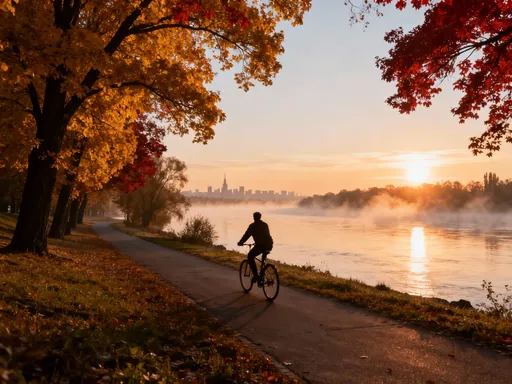
Autumn is perhaps the most visually stunning season. The forests and parks explode in color—maples turn fiery red, birches glow gold, and oaks deepen to russet and bronze. Morning fog drifts through the trees, creating a misty, contemplative mood. This is a favorite time for photographers and reflective walks. The air is crisp, and fallen leaves crunch underfoot, releasing their earthy scent. It’s also a key time for bird migrations, with flocks of geese and ducks passing over the city on their way south. Winter, though colder, is no less beautiful. Snow blankets the parks, turning them into silent, serene landscapes. The frozen lakes of Łazienki and Mokotów Field become skating rinks, and cross-country ski trails appear in forested areas. Even in winter, life persists—tracks of foxes and rabbits mark the snow, and hardy birds visit feeders. By embracing all four seasons, Warsaw’s nature offers a full, rich experience—one that changes but never fades.
Getting Closer: How to Immerse Yourself in Warsaw’s Wild Side
Experiencing Warsaw’s natural escapes is easier than many travelers expect. The city’s excellent public transportation system connects central districts to parks, riverbanks, and even national reserves. Trams, buses, and commuter trains run frequently, with clear signage in English and digital apps providing real-time updates. For Łazienki and Mokotów Field, a simple tram ride from the city center is all it takes. Kampinos National Park is accessible by train from Warszawa Gdańska Station, with stops like Izabelin or Truskaw just a short walk from trailheads. Bike rentals are widely available through the city’s Veturilo system, with stations near major parks and along the Vistula, making cycling a convenient and eco-friendly option.
To fully immerse yourself, consider timing your visits with natural rhythms. Early mornings offer the best light for photography and the quietest moments in the parks, when dew glistens on spiderwebs and birds are most active. Weekdays are less crowded than weekends, especially in popular spots like Łazienki. If you’re visiting in summer, aim for weekday evenings when locals come out to walk or cycle after work. For seasonal highlights—cherry blossoms in April, autumn colors in late October—checking local nature blogs or park websites can help you plan for peak times.
Combining nature with culture is simple in Warsaw. Many historical sites are located near green spaces—for example, the Old Town is just a short walk from Łazienki, and the POLIN Museum of the History of Polish Jews sits near the Vistula River path. This allows you to weave sightseeing with relaxation, perhaps visiting a museum in the morning and ending the day with a riverside walk. Guided nature tours, often led by local naturalists or conservation groups, provide deeper insights and are suitable for all ages. Packing a small backpack with water, snacks, comfortable shoes, and a light jacket ensures you’re prepared for changing conditions.
In the end, Warsaw’s greatest gift is its balance. It reminds us that cities don’t have to be separate from nature—they can grow alongside it, enriching both. By stepping into its parks, forests, and riverbanks, travelers don’t just see another side of the city; they feel a deeper connection to place, to season, and to the quiet rhythms of the natural world. Warsaw invites you not just to visit, but to breathe, to pause, and to rediscover the peace that grows beneath the trees and along the water’s edge. In a world that moves quickly, that may be the most valuable escape of all.