You Gotta Experience This – Niagara’s Best-Kept Secrets Revealed
Niagara Falls isn’t just a postcard view—it’s a full-on sensory adventure. I went last summer with zero expectations and came back obsessed. From misty boat rides to hidden walking trails, every moment packed a punch. This is real talk: what to do, how to skip the crowds, and where to feel the raw power of nature without the tourist chaos. If you’re planning a trip, this is your no-fluff guide to making it unforgettable. You don’t just visit Niagara—you experience it, hear it, feel it, and carry it with you long after you leave. This is about more than ticking off attractions; it’s about crafting moments that matter, especially when traveling with family or seeking a meaningful escape.
First Encounter: The Moment the Falls Hit Me
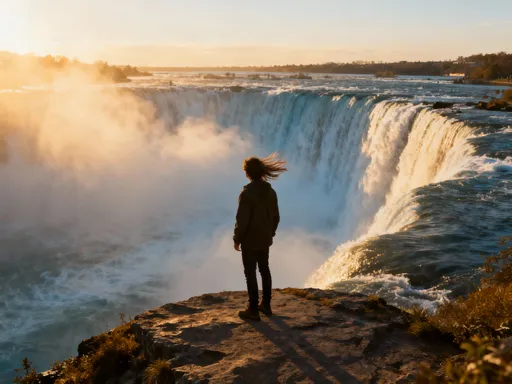
The first time you see Niagara Falls in person, nothing can truly prepare you. Standing at Table Rock, the official viewing platform on the Canadian side, the roar hits before the sight does. A deep, constant thunder rolls through the air, growing louder with every step forward. Then, suddenly, the curtain lifts. The Horseshoe Falls stretch across your vision, a massive arc of churning white water plunging over 165 feet into the rocky basin below. Mist rises like steam, catching the sunlight and sometimes forming rainbows that hover above the gorge. The wind whips your hair, the spray dampens your clothes, and for a moment, you forget to breathe. It’s not just impressive—it’s humbling. No photograph, no video, can capture the sheer physical presence of the falls. The scale is overwhelming, the energy palpable, and the emotional impact undeniable.
Timing is everything when it comes to this first impression. Arriving early in the morning—ideally before 8 a.m.—makes a dramatic difference. The crowds are thinner, the light is softer, and the experience feels more intimate. By midday, Table Rock is packed with tour groups, families with strollers, and travelers jostling for the perfect selfie. But in the early hours, you can stand at the railing, undistracted, and simply absorb the moment. The air is cooler, the mist more refreshing, and the sounds of the falls aren’t competing with loud conversations or street performers. This is when the falls feel most alive, and you feel most connected to them. For women in the 30–55 age range—many of whom plan trips for their families—starting the day early also sets a calmer tone, reducing stress and allowing more time to explore without rushing.
It’s worth noting that the Canadian side offers the most comprehensive views, particularly of the Horseshoe Falls, which makes up the largest portion of the waterfall system. The American Falls and Bridal Veil Falls are visible from the U.S. side, but the Canadian vantage point provides a wider, more dramatic panorama. Table Rock is well maintained, with paved pathways, safety railings, and on-site staff to assist visitors. Benches are scattered throughout the area, offering places to rest and reflect. There’s also a visitor center nearby with restrooms, bottled water, and light snacks—essential for families or those with mobility concerns. The key is to take your time. Don’t just snap a photo and move on. Let yourself be present. Feel the vibration under your feet, listen to the rhythm of the water, and let the grandeur sink in. This moment is the heart of your Niagara experience, and it deserves your full attention.
Journey Behind the Falls: More Than Just a Tourist Trap
One of the most unique ways to experience Niagara Falls is by going behind it—literally. The Journey Behind the Falls attraction allows visitors to descend 125 feet via elevator into tunnels carved into the bedrock of the Canadian side. From there, you walk through dimly lit passageways that lead to two open-air observation decks positioned directly behind the curtain of the Horseshoe Falls. Standing there, with thousands of gallons of water crashing just feet away, separated only by a metal grille, is nothing short of electrifying. The noise is deafening, the mist so thick it feels like rain, and the sheer force of the water is impossible to ignore. This isn’t a passive viewing experience—it’s immersive, visceral, and unforgettable.
While some may dismiss this as a typical tourist attraction, it offers something no other viewpoint can: proximity. You’re not just looking at the falls; you’re inside their world. The tunnels themselves are educational, with informative panels explaining the geology of the falls, how erosion has shaped the landscape over time, and the engineering efforts to preserve the site. The experience takes about 60 to 90 minutes, depending on how long you spend on the observation decks. It’s accessible to most visitors, including those with strollers and mobility devices, though the walkways can be damp and slippery. That’s why wearing the complimentary poncho provided at the entrance is essential. Even with it, you’ll likely get wet—especially on the outer deck—but that’s part of the fun. Bring a waterproof bag for phones, cameras, and other electronics, or use the lockers available at the entrance.
To make the most of this experience, go mid-week if possible. Weekends and holidays bring the largest crowds, leading to longer elevator lines and a more chaotic atmosphere on the decks. Weekday mornings are quieter, allowing for more personal space and better photo opportunities. The Journey Behind the Falls is included in the Niagara Parks Pass, which covers admission to several major attractions, making it a cost-effective choice for those planning to visit multiple sites. For families, it’s especially engaging for children, who are often captivated by the tunnel walk and the thrill of standing behind rushing water. But even solo travelers or couples will find it powerful. It’s a rare chance to witness nature’s raw energy from a perspective few places on Earth allow.
Hornblower Niagara Cruise: Wet, Wild, and Worth It
No trip to Niagara is complete without getting soaked—and the Hornblower Niagara Cruise delivers exactly that. Boarding at the Voyageur Landing dock, just a short walk from the falls, the experience begins with the low rumble of the boat’s engines and the unmistakable scent of fresh water in the air. As the vessel pulls away from the shore, the falls grow larger with every passing minute. The roar intensifies, the mist thickens, and anticipation builds. Within minutes, you’re approaching the base of the Horseshoe Falls, where the boat slows and circles directly into the plume of spray. This is when the drenching happens—full force. Raincoats flap in the wind, laughter erupts, and everyone on deck grins like kids at a water park. It’s messy, exhilarating, and utterly joyful.
The Hornblower fleet consists of modern, eco-friendly catamarans painted in bright red and white, each capable of carrying hundreds of passengers. The 20-minute cruise is included in the Niagara Parks Pass or can be purchased separately. Boarding is orderly, with staff guiding guests to different zones based on ticket type—though all zones offer equally stunning views. The lower deck is slightly more sheltered, but the upper deck provides unobstructed 360-degree views, making it the preferred choice for photographers and those seeking the full sensory experience. Regardless of where you stand, you will get wet. That’s the point. The mist cools you on hot summer days, and the shared experience creates an instant sense of camaraderie among strangers. For mothers traveling with children, it’s a highlight—a moment of pure, unscripted fun that doesn’t require planning or patience.
To avoid long lines, arrive at least 45 minutes before your scheduled departure, especially during peak season. Lockers are available to store bags, strollers, and valuables, and it’s wise to use them—wet electronics are a common souvenir no one wants. The cruise operates from spring through fall, with reduced frequency in the winter months. While the experience is shorter than some might expect, its intensity makes up for its brevity. There’s something primal about being so close to such a powerful natural force, feeling the vibration in your chest and the spray on your skin. It’s not just a boat ride; it’s a rite of passage for Niagara visitors. And when you step off the boat, poncho dripping and hair soaked, you’ll understand why it’s considered a must-do.
Clifton Hill: Fun or Overrated? My Honest Take
Just a short walk from the falls, Clifton Hill offers a stark contrast to the natural majesty of Niagara. This bustling strip is lined with neon signs, arcades, candy stores, and themed restaurants, creating a carnival-like atmosphere that’s impossible to ignore. From the giant talking dinosaur to the spinning Ferris wheel lit up at night, Clifton Hill is designed to grab attention. For families with young children, it can feel like a playground of endless entertainment. Mini-golf courses, haunted houses, and interactive museums promise hours of distraction. Yet for some visitors, particularly those seeking a more authentic or serene experience, Clifton Hill can feel overwhelming, commercialized, and overpriced.
The truth is, Clifton Hill has its place—but it requires smart navigation. Not every attraction is worth your time or money. Some of the haunted houses and 4D theaters are more about flashy advertising than quality experiences. Instead, focus on the highlights. The Niagara SkyWheel, a large observation Ferris wheel, offers beautiful nighttime views of the illuminated falls and surrounding area. Riding it after dark, when the entire strip is lit up in vibrant colors, is a memorable moment, especially for children. The upside-down house and the Guinness World Records Museum are also popular with families and provide engaging, lighthearted fun. For food, options range from pizza chains to themed diners, but local favorites like Swiss Chalet or Mary Brown’s Chicken offer reliable, crowd-pleasing meals without the gimmicks.
The key to enjoying Clifton Hill is balance. Don’t let it dominate your itinerary. Spend an hour or two there, perhaps in the late afternoon before sunset at the park, and let the kids enjoy a treat or two. Use it as a complement to the natural beauty of the falls, not a replacement. And be mindful of spending—many attractions charge per person, and costs can add up quickly. For women managing family budgets, setting a clear limit beforehand helps avoid impulse purchases. While Clifton Hill may not offer the tranquility of a nature trail, it does deliver a certain kind of joy: the kind found in laughter, sugar rushes, and shared silliness. When approached with realistic expectations, it can be a fun, nostalgic part of the trip—one that creates memories of its own, even if they’re different from the awe inspired by the falls.
Hidden Gems: Quiet Trails and Local Spots Most Tourists Miss
Away from the crowds and flashing lights, Niagara offers peaceful escapes that many visitors never discover. The Niagara Glen Nature Reserve is one such place—a rugged wilderness area located just a short drive down the Niagara River Parkway. Here, ancient rock formations, mature forests, and winding trails provide a stark contrast to the manicured lawns near the falls. The gorges were carved by the river over 10,000 years ago, and walking through them feels like stepping back in time. Trails range from easy walks to more challenging hikes, with stairs leading down to the river’s edge. The sound of the water is constant, but it’s a gentler, more rhythmic flow compared to the thunder of the falls. Birdwatchers, nature lovers, and anyone needing a moment of calm will find solace here.
Another overlooked spot is the Dufferin Islands, a serene network of walking paths, ponds, and wooden bridges nestled just minutes from Clifton Hill. Once a private estate, the area was transformed into a public park with lush plantings, quiet benches, and small waterfalls. It’s an ideal place for a morning stroll, a quiet picnic, or a moment of reflection. Unlike the main tourist zones, Dufferin Islands attract mostly locals, giving it an authentic, unhurried feel. Ducks paddle in the ponds, turtles sunbathe on rocks, and the scent of blooming flowers fills the air in warmer months. It’s the kind of place where you can sit for 20 minutes and not hear a single phone ring.
These hidden spots matter because they offer balance. A trip to Niagara doesn’t have to be all about lines, noise, and sensory overload. By setting aside time for quiet exploration, you create space for deeper connection—with nature, with your companions, and with yourself. For women who often carry the emotional labor of family trips, these moments of peace can be restorative. They remind you that travel isn’t just about checking off landmarks; it’s about how you feel along the way. Whether it’s watching a dragonfly hover over a pond or hearing the wind rustle through the trees, these small, quiet moments often become the most cherished memories. Stepping off the main strip doesn’t mean missing out—it means gaining something more meaningful.
Sunset at Queen Victoria Park: When the Magic Really Begins
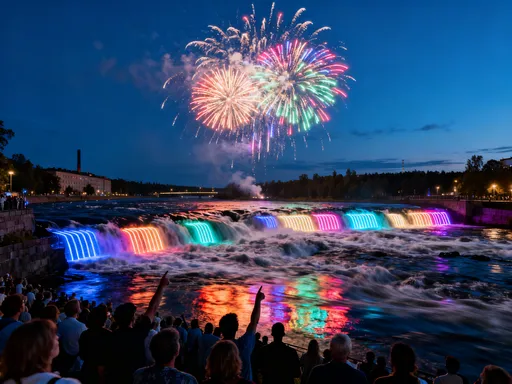
As daylight fades, Queen Victoria Park transforms into a place of quiet enchantment. The lawns, bustling with visitors during the day, begin to empty. Families pack up their blankets, couples find quiet benches, and the first lights of the evening illumination start to flicker on. This is when Niagara reveals another layer of beauty. The falls, already impressive in daylight, take on a dreamlike quality as colored lights wash over them. Blues, purples, golds, and reds shift slowly across the water, creating a living light show that reflects off the mist and river below. The effect is mesmerizing—soft, romantic, and deeply calming.
For the best experience, arrive about 30 minutes before sunset. Find a bench with a clear view of the Horseshoe Falls, or spread a blanket on the grass if you don’t mind sitting on the ground. The area near the Floral Clock is particularly scenic, offering an unobstructed view with well-maintained surroundings. As the sky turns pink and orange, the artificial lights gradually intensify, ensuring the falls remain visible long after dark. The nightly illumination typically runs from dusk until midnight, and it’s completely free to enjoy. Unlike the paid attractions, this is a gift—a moment of shared beauty that belongs to everyone.
This time of day often brings a sense of closure and reflection. The noise of the day fades, replaced by the steady rhythm of the falls and the soft murmur of fellow visitors. For many, it’s the emotional peak of the trip. Parents watch their children marvel at the colors, couples hold hands in silence, and solo travelers simply breathe. It’s a reminder that nature, even in a highly visited destination, retains its power to inspire awe. The combination of natural wonder and human artistry—the engineered lights enhancing the raw force of water—creates something greater than the sum of its parts. Staying for sunset and the illumination isn’t just a nice addition; it’s essential to understanding the full spirit of Niagara.
Smart Planning: Timing, Tickets, and Transport Tips That Save Time
One of the biggest mistakes visitors make is underestimating how much time and planning Niagara requires. While it’s possible to see the main sights in a single day, rushing through leads to fatigue, frustration, and missed moments. A two-day visit is ideal, allowing time for major attractions, hidden gems, and relaxation. Start early on day one with Table Rock and the Journey Behind the Falls, followed by the Hornblower Cruise. Spend the late afternoon at Clifton Hill or Dufferin Islands, then return to Queen Victoria Park for sunset and the light show. On day two, explore the Niagara Glen, take a scenic drive along the Parkway, or visit a local winery in the surrounding region.
Ticket strategy matters. The Niagara Parks Pass offers the best value for those planning to visit multiple attractions. It includes access to the Journey Behind the Falls, the Hornblower Cruise, the Niagara Glen, and several other sites. Purchasing it online in advance saves time and often comes with a small discount. For those only interested in one or two experiences, paying per attraction may be more economical. Regardless, always check the official Niagara Parks website for up-to-date hours, pricing, and seasonal changes.
Transportation is another area where planning pays off. Parking near the falls can be expensive and difficult, especially on weekends. The WEGO bus system, operated by Niagara Falls Transit, offers an affordable and efficient way to move between major attractions, hotels, and parking areas. Multiple routes connect key points, and day passes are available. For families, this eliminates the stress of navigating traffic and searching for parking spots. If you’re staying in a nearby town like Niagara-on-the-Lake, consider taking a taxi or ride-share service for the day to avoid driving altogether. Smart planning doesn’t take the spontaneity out of travel—it creates the space for it. When logistics are handled, you’re free to focus on what really matters: being present, enjoying the moment, and making memories that last.
Niagara Falls isn’t just about seeing water plunge down—it’s about feeling alive in the moment. With the right moves, you can dodge the chaos and dive into experiences that stick with you. Whether you’re chasing thrills or quiet beauty, this place delivers. Plan smart, stay curious, and let the falls work their magic.