You Won’t Believe These Cultural Gems in Vientiane — Pure Photo Magic
If you think Vientiane is just a quiet capital, think again. I was blown away by how much culture spills into every corner of this city — from golden temples to colonial streets alive with color. As a traveler who lives for authentic moments and killer photo ops, I found myself constantly reaching for my camera. This isn’t just sightseeing — it’s storytelling through lenses, light, and local soul. Let me take you to the spots that made my Laos journey unforgettable.
The Heartbeat of Lao Culture – Wat Si Saket & Its Silent Guardians
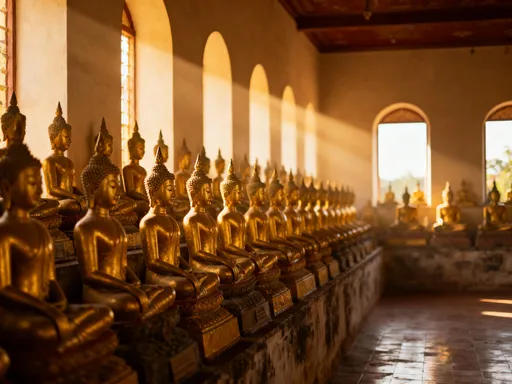
Wat Si Saket is not merely a temple; it is a living archive of devotion, resilience, and artistry. As the oldest surviving temple in Vientiane, it stands as a quiet testament to centuries of spiritual continuity. Its cloistered courtyard houses over 6,000 miniature Buddha images, each unique in posture, material, and expression. These silent guardians, arranged in orderly rows along arched corridors, create a visual rhythm that is both hypnotic and deeply moving. For photographers, this temple offers an unparalleled opportunity to capture texture, symmetry, and stillness in a single frame. The play of light through latticed windows casts delicate shadows across weathered stone, illuminating gilded surfaces in fleeting golden streaks.
Morning is the ideal time to visit, when the city is still waking and the temple remains undisturbed by crowds. The soft, diffused sunlight filters through the high arches, creating natural spotlight effects on the Buddha statues. This early light minimizes harsh contrasts and brings out subtle details in the lacquer, bronze, and stucco figures. Whether focusing on a single weathered face or capturing the sweeping arc of the gallery, photographers benefit from both clarity and emotional depth. The atmosphere is reverent, almost hushed, allowing for contemplative observation. Visitors often sit in quiet prayer, their folded hands and bowed heads adding human warmth to the spiritual landscape.
Because photography inside religious spaces requires sensitivity, it’s important to move slowly and respectfully. Avoid using flash, which can damage centuries-old surfaces and disrupt worshippers. Instead, rely on available light and a steady hand — or a lightweight tripod if permitted. Wide-angle lenses can emphasize the scale of the colonnade, while macro settings reveal the intricate craftsmanship of individual Buddhas, some adorned with tiny jewels or delicate floral patterns. Wat Si Saket does not demand attention; it earns it through quiet dignity. To photograph here is not to document, but to witness — and in doing so, to become part of a legacy that transcends time.
A Golden Crown on the Mekong – Pha That Luang at Golden Hour
Rising like a flame above the flat plains of Vientiane, Pha That Luang is more than a stupa — it is the soul of Laos made visible. This national symbol, believed to enshrine a relic of the Buddha, has stood for centuries as a beacon of faith and unity. Its towering golden spire, flanked by smaller stupas and encircled by a grand courtyard, creates a powerful silhouette against the sky. For photographers, few moments compare to capturing Pha That Luang at golden hour, when the late afternoon sun bathes its surface in a radiant glow. The entire structure seems to ignite, reflecting light like molten gold and casting long, dramatic shadows across the paved grounds.
The architecture of Pha That Luang blends Lao, Khmer, and Indian influences, resulting in a form that is both majestic and harmonious. The five-tiered base represents the lotus blossom, a symbol of purity, while the spire points skyward like a flame of enlightenment. This symbolic richness translates into compelling visual layers, offering photographers a wealth of compositional options. Wide-angle shots can capture the full grandeur of the stupa within its expansive setting, while telephoto lenses isolate architectural details — the lotus petals carved into stone, the intricate moldings along the terraces, or the golden naga serpents guarding the stairways.
One of the most striking features is the reflection pools surrounding the main structure. At sunset, they mirror the glowing stupa, doubling its presence and creating a dreamlike symmetry. To capture this effect, position yourself at a low angle and use a polarizing filter to reduce glare and enhance color saturation. Timing is crucial — arrive at least an hour before sunset to scout angles and secure an unobstructed view. While the temple is open to visitors throughout the day, evening visits offer not only superior lighting but also a more contemplative mood, as locals gather for prayer and meditation.
Respect is paramount when photographing at Pha That Luang. While exterior photography is generally permitted, certain areas may be restricted during ceremonies or religious festivals. Always observe quietly, avoid obstructing worshippers, and dress modestly as a sign of reverence. The goal is not just to take a beautiful photo, but to honor the sacred space that makes such beauty possible. When the light fades and the stupa dims, the memory of its golden brilliance lingers — a reminder that some images are not just seen, but felt.
Where History Paints the Walls – The Presidential Palace & Colonial Architecture
Wandering through central Vientiane, one is struck by the quiet elegance of its colonial-era streets. Unlike capitals that have erased their past, Vientiane preserves its French architectural heritage with understated grace. Pastel-colored buildings with shuttered windows, ornate iron railings, and wide verandas line tree-shaded boulevards, creating a visual rhythm that feels both nostalgic and timeless. Among these, the Presidential Palace — originally built as the French governor’s residence — stands as a prime example of early 20th-century Indo-Chinese design. Though not open to the public, its grand façade offers a compelling subject for architectural photography, especially in the soft light of morning or late afternoon.
The building’s symmetrical layout, red-tiled roof, and neoclassical columns create a strong geometric composition. Photographers can use leading lines from the surrounding pathways or the play of shadows from nearby trees to frame the structure. During the rainy season, droplets on the pavement enhance reflections, adding depth and contrast to the image. The surrounding gardens, with their manicured hedges and tropical blooms, provide a natural foreground that softens the formality of the architecture. Even from a distance, the palace exudes authority and refinement, a silent witness to the layers of history that have shaped modern Laos.
But the true charm of Vientiane’s colonial quarter lies beyond any single landmark. Side streets reveal hidden gems — a weathered doorway with peeling paint, a balcony draped in bougainvillea, or a vintage lamppost casting a warm glow at dusk. These details tell stories of daily life, resilience, and quiet beauty. To capture them effectively, slow down and observe. Use a prime lens to focus on textures — the grain of old wood, the crackle of sun-bleached stucco, the patina of oxidized metal. These elements, often overlooked, become the soul of your photographs when framed with intention.
While photographing public buildings and streetscapes is generally acceptable, it’s wise to remain aware of security zones and restricted areas. The Presidential Palace, for instance, is guarded, and drone use is prohibited nearby. Always prioritize discretion and respect. The goal is not to invade, but to observe — to document the elegance of a bygone era without disrupting the present. In doing so, you preserve not just images, but a sense of place, a moment in time when history and beauty walk hand in hand.
Temples in Harmony – Wat Ho Phra Keo and the Emerald Buddha’s Gaze
Just a short walk from the city center, Wat Ho Phra Keo holds one of Laos’ most revered treasures — the Emerald Buddha. Unlike the more ornate Wat Si Saket, this temple exudes a quieter, more intimate energy. Its wooden structure, elevated on stone steps and surrounded by lush greenery, feels like a sanctuary hidden in plain sight. Inside, the atmosphere is cool and dim, a deliberate contrast to the tropical heat outside. The centerpiece is the small but profoundly significant Emerald Buddha, carved from a single block of green jade and believed to bring protection and prosperity to the nation. Its serene expression, slightly downturned eyes, and delicate features command reverence — and for photographers, an irresistible sense of stillness.
Photographing the interior of Wat Ho Phra Keo presents both challenges and rewards. Flash photography is strictly prohibited, not only to protect the ancient artifacts but also to maintain the sanctity of the space. This means relying entirely on natural light, which enters through wooden doors and high windows, casting soft beams across the floor and illuminating dust particles in the air. These rays often fall directly on the Emerald Buddha, creating a divine spotlight effect. To capture this, use a fast prime lens (such as a 35mm or 50mm f/1.8) and a high ISO setting, but be mindful of noise. A tripod may be allowed in certain areas, but always ask permission from temple attendants.
The temple’s interior is rich with supporting details — carved wooden pillars, faded murals depicting Buddhist tales, and altars adorned with flowers and candles. These elements add context and depth to your images. Rather than focusing solely on the main statue, consider wider compositions that include worshippers in quiet prayer, their hands pressed together in devotion. These human moments infuse the photographs with emotion and authenticity. The key is patience — wait for the right gesture, the right light, the right stillness.
Because of its cultural significance, Wat Ho Phra Keo demands a respectful approach. Dress modestly, remove your shoes before entering, and move quietly. Avoid pointing your camera directly at people without their consent, especially during prayer. Instead, observe from a distance and use longer focal lengths to capture candid moments without intrusion. The most powerful images are not those that shout for attention, but those that whisper — a folded robe, a flickering candle, a bowed head in meditation. In this temple, photography becomes an act of reverence, a way to honor what is sacred through careful observation.
Living Culture on Display – Lao Textile Houses & Craft Villages Nearby
Beyond the temples and colonial streets, the true heartbeat of Lao culture pulses in its villages, where traditional weaving remains a living art. Just a short drive from Vientiane, communities like Ban Xang Khong and Ban Na Ou specialize in handmade silk and cotton textiles using techniques passed down through generations. These craft villages are not tourist performances; they are working studios where women sit at wooden looms, their hands moving with practiced precision, creating patterns that tell stories of nature, myth, and identity. For photographers, this is a paradise of color, texture, and human connection.
The process itself is visually captivating. Raw silk is boiled, dyed with natural pigments from roots, leaves, and bark, then spun into thread. The colors — deep indigo, earthy ochre, vibrant crimson — pop against the green backdrop of rice fields and banana trees. When photographed in diffused daylight, these hues appear rich and true, without the harshness of direct sun. Close-ups of hands at work reveal the physicality of the craft — the tension of threads, the rhythm of the shuttle, the concentration in the weaver’s eyes. These details transform a simple textile into a narrative of patience and skill.
Many workshops welcome visitors, allowing for respectful observation and, with permission, photography. Always ask before raising your camera — a smile and a polite gesture go a long way. Some weavers may pose willingly, proud of their work; others may prefer to remain undisturbed. In either case, your presence should be unobtrusive. Use natural light whenever possible, and avoid using flash, which can be intrusive and disruptive. A 50mm or 85mm lens works well for portraits, while a macro lens can capture the intricate patterns of the fabric itself — the tiny motifs of elephants, lotus blossoms, or spiraling naga serpents.
These villages also offer opportunities to photograph daily life — children playing near looms, elders sharing stories, chickens wandering through open-air workshops. The scenes are unposed and authentic, a refreshing contrast to staged tourist experiences. By engaging with artisans, learning about their craft, and photographing with permission, you contribute to the preservation of this cultural heritage. Your images become more than souvenirs; they become records of resilience, beauty, and continuity in a rapidly changing world.
Street Stories & Spiritual Graffiti – The Murals of Vientiane’s Hidden Alleys
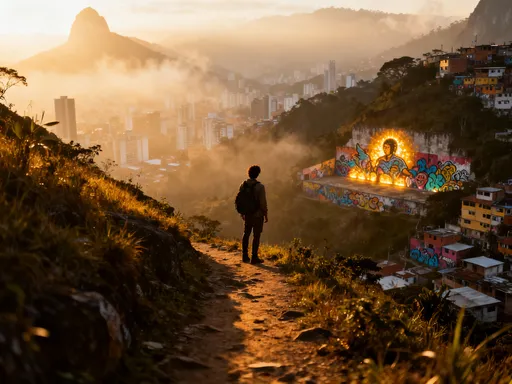
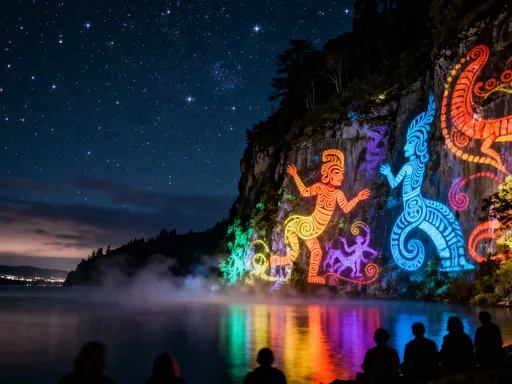
While Vientiane may not be known for street art in the global sense, its hidden alleys tell a different story — one where spirituality and community expression merge in unexpected ways. Scattered throughout the city, particularly near temples and schools, are vibrant murals that blend Buddhist iconography with contemporary life. These are not commercial commissions, but grassroots projects created by local artists and monks to inspire mindfulness, environmental awareness, and compassion. For photographers, they offer a fresh perspective on Lao culture — dynamic, evolving, and deeply rooted in values.
One of the most striking examples can be found near Wat Mixay, where a long wall depicts scenes from the Jataka tales — stories of the Buddha’s past lives. Rendered in bold colors and fluid lines, the murals show monkeys building a bridge, elephants protecting monks, and celestial beings descending from clouds. The style is both traditional and modern, with exaggerated expressions and dramatic compositions that draw the eye. Other murals address current themes — a child planting a tree, a river free of plastic, a community sharing a meal — all rendered with symbolic depth and visual clarity.
These artworks are best photographed in the early morning, when the sun is low and foot traffic is minimal. The soft light enhances color saturation and reduces harsh shadows, while the quiet streets allow for unobstructed shots. Use a wide-angle lens to capture entire panels, or zoom in on symbolic details — a lotus blooming from a trash can, a monk smiling at a smartphone, a bird taking flight from a lotus pond. These small moments carry big messages.
Because these murals are often in public but unmarked spaces, discovering them feels like a treasure hunt. Ask locals for directions, or simply wander with curiosity. When photographing, be mindful of your surroundings — some murals are near active temples or schools, so maintain a respectful distance and avoid loud behavior. Unlike commercial street art, these works are not meant to shock or provoke; they are meant to uplift and educate. Your photographs should reflect that spirit — not as edgy documentation, but as quiet celebration of a culture that paints its values on the walls.
Framing Tradition – How to Photograph Culture with Respect and Impact
Photographing in a place like Vientiane is not just about technical skill; it is about ethical awareness and emotional intelligence. Every click of the shutter carries responsibility — to the people in the frame, to the places you visit, and to the culture you represent. The most impactful images are not those taken from a distance with a long lens, but those born from connection, permission, and presence. Learning when to ask, when to wait, and when to put the camera down is as important as mastering aperture and shutter speed.
Always seek permission before photographing individuals, especially in religious or private settings. A simple gesture — holding your camera at waist level and nodding — is often enough to communicate intent. If someone declines, respect their choice without argument. In many Lao communities, being photographed is not a casual act; it carries spiritual and social weight. By honoring that, you build trust and often receive more authentic, meaningful interactions in return.
From a technical standpoint, certain gear choices enhance both image quality and discretion. A prime lens with a moderate focal length (35mm or 50mm) encourages closer engagement and produces natural perspective. A polarizing filter helps manage reflections on water, glass, and polished surfaces, while a lightweight tripod supports low-light shooting without drawing attention. However, the most essential tool is not equipment, but mindset — the willingness to slow down, observe deeply, and let moments unfold naturally.
Finally, consider the purpose of your photography. Are you capturing for memory, for art, or for sharing? In each case, aim for truth over spectacle. Avoid staging scenes or encouraging performances for the camera. Instead, focus on genuine moments — a monk walking at dawn, a weaver adjusting her thread, a child gazing at a mural. These are the images that endure, not because they are perfect, but because they are real. When you return home, your photos will do more than decorate a wall; they will carry the quiet dignity of a culture that speaks softly, but profoundly.
Vientiane doesn’t shout — it whispers stories of faith, resilience, and beauty. Each cultural venue offers more than a backdrop; they invite connection, reflection, and responsible creativity. By choosing thoughtful angles and mindful presence, your photos can honor Laos’ heritage while capturing its living spirit. Don’t just visit — see deeply, shoot wisely, and let the culture speak through your lens.