You Won’t Believe What This Finnish City Does with Art and Fire
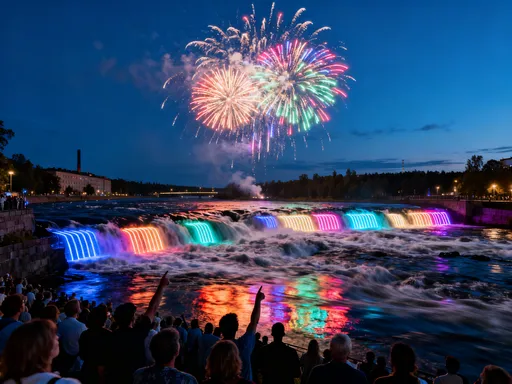
Tampere, Finland, isn’t just lakes and saunas—it’s a living canvas during festival season. Last summer, I watched artists turn old factory walls into glowing stories and saw fireworks dance over the water like paintbrushes in the sky. The energy was electric, the vibe totally unscripted. If you think Nordic art is quiet or cold, think again. Tampere’s festival scene is bold, warm, and wildly creative—this is where culture pulses through every street performance and hidden alley exhibit. It’s a city that once powered Finland’s industrial engine and now fuels its artistic soul. As daylight stretches into silvery evenings and the air hums with music drifting from courtyards, Tampere reveals itself not just as a destination, but as an experience where art isn’t observed—it’s lived.
Why Tampere? The Unexpected Heart of Finnish Art
Nestled between two vast lakes—Näsijärvi and Pyhäjärvi—Tampere was once the beating heart of Finland’s industrial revolution. In the 19th century, red-brick factories lined the Tammerkoski rapids, harnessing water power to produce textiles, machinery, and metal goods. The city’s identity was forged in smoke and steam, its rhythm set by factory whistles and shift changes. But as global manufacturing shifted, Tampere faced a pivotal moment: decline or reinvention. It chose creativity.
Today, those same red-brick mills house museums, design studios, theaters, and tech startups. The transformation began in the late 20th century when artists and cultural institutions recognized the potential of these vast, open spaces. The Finlayson and Tampella factories, once centers of textile production, now serve as vibrant cultural districts. This evolution wasn’t imposed from above—it grew organically, driven by local pride and a desire to preserve heritage while embracing innovation.
What makes Tampere especially appealing to art-focused travelers is its authenticity. Unlike curated cultural capitals where art feels polished and distant, Tampere’s creative expression is raw, accessible, and deeply rooted in community. There’s no pretense here. You won’t find velvet ropes or hushed galleries where silence is enforced. Instead, art spills into streets, climbs walls, echoes through tunnels, and invites participation. This is culture shaped by people, for people—where the past isn’t erased but reimagined.
For women travelers aged 30 to 55—many balancing family, work, and personal fulfillment—Tampere offers a refreshing kind of travel experience. It’s safe, walkable, and rich in meaningful encounters. Whether you’re exploring solo or with family, the city extends a quiet invitation: slow down, look closely, and let beauty surprise you in unexpected places. It’s not about ticking off landmarks, but about feeling connected—to art, to history, and to the rhythm of daily life in a city that celebrates transformation.
Light & Sound: The Magic of the Tampere International Festival
Each summer, the Tampere International Festival transforms the city into a stage for light, sound, and collective wonder. Held annually in July, this multi-week celebration draws thousands of visitors who come not for headlining acts alone, but for the atmosphere—a shared sense of discovery that lingers long after the final note fades. The festival’s programming blends international performers with local talent, creating a dynamic fusion of music, theater, dance, and visual art that reflects both global trends and Finnish sensibility.
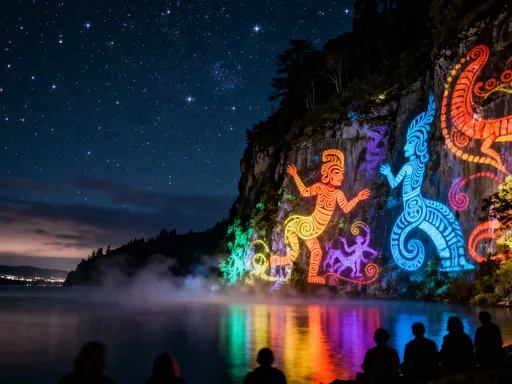
One of the most magical experiences is walking along the Tammerkoski rapids after dark. What by day is a rushing channel of green-gray water becomes, at night, a corridor of light and sound. Sculptures made of glass, steel, and projection-mapped fabric glow gently from the banks. Some pulse with rhythm, syncing to live electronic music performed in open-air amphitheaters. Others respond to movement, brightening as pedestrians pass by, turning casual strollers into co-creators of the artwork.
A standout feature of the festival is its commitment to site-specific installations. Artists are invited to respond directly to Tampere’s architecture and natural landscape. In one memorable year, a Spanish collective suspended thousands of mirrored fragments above the rapids, catching moonlight and city glow to create a shimmering canopy that shifted with the wind. Another project turned an old factory chimney into a vertical instrument, where wind passing through tuned pipes produced haunting, harmonic tones—a natural symphony heard across the district.
The festival also embraces accessibility. Concerts are often free, held in public squares or parks where families spread blankets and share picnic baskets. Children dance barefoot on grass while elders sway gently on benches. The programming includes everything from contemporary jazz to experimental soundscapes, ensuring there’s something for every ear. But beyond the performances, it’s the atmosphere that captivates—the way strangers exchange smiles, how couples pause to listen, how the city seems to breathe in unison with the music.
Street Art That Speaks: Murals with Meaning
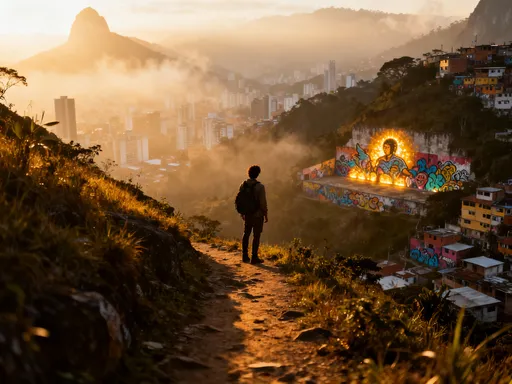
If the festival brings temporary magic, Tampere’s street art provides lasting poetry. The city has become a living gallery where walls are not barriers but storytellers. Neighborhoods like Finlayson, Hiedanranta, and Amuri are now open-air museums, each mural carrying messages of resilience, identity, and hope. These aren’t random graffiti tags; they’re commissioned works created through collaborations between the city, cultural foundations, and artists from Finland and beyond.
In the Finlayson district, a massive mural titled Roots and Wings covers the side of a former textile warehouse. Painted by a Finnish-Sámi artist, it depicts a woman weaving a tapestry that flows into a flock of birds. The image honors Tampere’s industrial past—symbolized by the loom—while celebrating the freedom of creative expression. The colors are earthy yet luminous: deep indigo, warm ochre, and silver thread that catches the light. Locals say it changes with the weather, appearing somber in rain and radiant in morning sun.
Another powerful piece, located in Hiedanranta near the waterfront, portrays a child holding a lantern made of recycled materials. The artwork, part of a sustainability-themed project, was created during a youth workshop where students designed elements of the final composition. It’s a testament to how public art in Tampere isn’t just for the public—it’s often by the public. These collaborative efforts ensure that murals resonate emotionally and remain protected from vandalism, as communities feel ownership over them.
What sets Tampere’s street art apart is its narrative depth. While some cities use murals purely for aesthetic enhancement, here they serve as cultural anchors. A wall in Amuri tells the story of female factory workers who powered the mills in the early 1900s, their faces rendered in bold strokes against a backdrop of spinning threads. Another in the Keskusta district celebrates linguistic diversity, with phrases like “Welcome” and “You belong” written in over twenty languages spoken by Tampere’s residents.
For the thoughtful traveler, walking these neighborhoods becomes a form of quiet reflection. There’s a sense that art isn’t decoration—it’s dialogue. And for women who value connection, meaning, and social awareness, these murals offer a profound sense of kinship with a city that remembers its past while reaching toward the future.
Off-the-Beaten-Path Gems: Hidden Art Experiences You Can’t Miss
Beyond the main festival stages and well-known murals, Tampere reveals its most intimate artistic moments in hidden corners. During festival season, dozens of pop-up galleries, artist studios, and experimental spaces open their doors—many only accessible during this time. These intimate venues offer a chance to meet creators, witness art in progress, and discover pieces that challenge, comfort, or inspire.
In the courtyard of an old dye house in the Finlayson area, a temporary installation once transformed the space into a “library of sounds.” Visitors were invited to pick up handheld devices shaped like books, each containing field recordings from different parts of Finland—crackling fires in Lapland cabins, children laughing at Helsinki playgrounds, waves breaking on Archipelago shores. As people wandered the cobblestone paths, they created their own auditory journeys, layering sounds like a personal playlist of memory and place.
Another unforgettable experience took place in a disused boiler room beneath a former factory. For one weekend, it became an immersive light cave, where projected patterns mimicked the Northern Lights. The temperature was cool, the air still, and the only sound was a soft, ambient score played through hidden speakers. Visitors sat on wooden benches or lay on mats, gazing upward as green and violet waves drifted across the vaulted ceiling. Many reported feeling a deep sense of calm, as if transported to a silent forest under a winter sky.
For those who want to engage more actively, live painting sessions are a highlight. In repurposed warehouses and quiet alleys, artists work in real time, often explaining their process to onlookers. Some invite visitors to contribute—adding a brushstroke, writing a word, placing a sticker. These moments break down the barrier between observer and creator, reinforcing the idea that art is not a product, but a process. It’s especially rewarding for parents traveling with children, offering a hands-on way to discuss creativity and expression.
To make the most of these hidden gems, timing is key. Many pop-ups operate only on weekends or during evening hours. Checking the festival’s official program in advance is essential. Consider starting your exploration in the early afternoon, allowing time to discover planned exhibits, then lingering into the evening when impromptu performances often begin—jazz trios in courtyards, poets reading under lamplight, dancers moving through alleyways like fleeting shadows.
Art You Can Feel: Immersive Installations and Sensory Design
In Tampere, art isn’t just seen—it’s felt. A growing number of installations are designed to engage multiple senses, creating experiences that linger in the body as much as the mind. These works often rely on natural elements: water, wind, light, and sound, woven together to evoke emotion and memory.
One such piece, Whispers of the Rapids, consists of a series of suspended metal reeds installed along a pedestrian bridge. As wind passes through, they produce soft, flute-like tones that vary with speed and direction. On a breezy evening, the bridge becomes an instrument, its music shifting with the weather. Couples often stop to listen, sometimes closing their eyes, as if tuning into a private message from the city itself.
Another beloved installation, Water Light Garden, uses pumps and LEDs to create dancing jets of colored water in a small plaza. Children squeal with delight as they jump through the streams, their movements triggering changes in color and rhythm. The piece is programmed to respond to touch and motion, turning play into performance. Parents watch from nearby benches, smiling as their kids become part of the art—proof that creativity isn’t reserved for experts, but available to everyone.
Tactile art also plays a role. In a temporary exhibit at the Tampere Art Museum, visitors were invited to walk barefoot through a series of textured pathways—smooth stone, soft moss, cool metal, warm wood—each representing a different emotional state. Along the way, subtle audio cues guided the experience: a heartbeat for anxiety, birdsong for peace, distant laughter for joy. Many participants described the walk as meditative, a rare moment of mindfulness in the middle of a bustling festival.
These sensory experiences are especially meaningful for travelers seeking emotional connection. In a world that often feels fast and fragmented, Tampere’s immersive art offers moments of presence. You’re not just looking at something beautiful—you’re inside it, part of it. For women who value introspection, family bonding, and authentic experiences, these installations provide a quiet kind of magic—one that doesn’t shout, but whispers.
Planning Your Trip: When to Go, Where to Stay, How to Move
To fully experience Tampere’s artistic energy, timing your visit is essential. The peak season runs from June through August, when days are long, temperatures mild, and the festival calendar fullest. July is especially vibrant, hosting the Tampere International Festival and numerous satellite events. Evenings remain light well past 10 p.m., allowing for leisurely exploration without rushing back to the hotel.
For accommodations, staying in the city center or the Finlayson district offers the greatest convenience. Several boutique hotels have opened in renovated factory buildings, blending historic charm with modern comfort. The Hotel Torni Tampere, located near the central square, provides easy access to restaurants, shops, and public transport. Families may prefer apartments through trusted rental platforms, which offer kitchen facilities and extra space—ideal for longer stays.
Getting around Tampere is simple and stress-free. The city has an efficient public transit system, including buses and a new light rail line that connects key districts. A day pass allows unlimited travel and is affordable for individuals and families. However, the best way to experience the art scene is on foot. Most major installations are within a 30-minute walk of each other, and pedestrian-friendly streets make navigation intuitive. Comfortable shoes are a must—cobblestone paths and slight inclines are common, especially near the rapids.
For those arriving from abroad, Helsinki is the nearest international gateway. Direct trains from Helsinki Central Station to Tampere take about 1.5 hours and run frequently. The train ride itself is scenic, passing through pine forests and small lakeside towns. Once in Tampere, tourist information centers provide free maps and guidance on self-guided art trails. Many visitors choose to rent bicycles, which are available through a city-wide sharing system with docking stations near hotels and attractions.
When planning meals, consider combining dining with culture. Many local restaurants participate in festival events, offering outdoor seating where you can enjoy a meal while listening to live music. Traditional Finnish dishes like salmon soup, rye bread, and berry desserts are widely available, often made with locally sourced ingredients. Vegetarian and gluten-free options are increasingly common, reflecting the city’s inclusive approach.
Beyond the Festival: Why Tampere’s Art Scene Keeps Growing
The magic of Tampere isn’t limited to summer. While the festivals draw the crowds, the city’s commitment to art is year-round and deeply institutional. The municipal government actively supports public art through grants, urban planning policies, and partnerships with cultural organizations. Since 2010, over 150 permanent artworks have been installed across neighborhoods, funded through a “percent for art” program that allocates a portion of public construction budgets to creative projects.
This long-term vision has transformed Tampere into a model of cultural sustainability. Temporary events don’t end when the lights go out—they leave legacies. A pop-up installation might inspire a permanent sculpture. A mural created for a festival becomes a neighborhood landmark. Even sound pieces find second lives; recordings from the “library of sounds” project were later compiled into a digital archive accessible through the city’s library system.
Equally important is the role of education. Local schools collaborate with artists on projects, ensuring that the next generation grows up seeing creativity as integral to community life. University programs in design, music, and visual arts attract students from across Finland and Europe, fueling innovation and diversity. This ecosystem—where policy, education, and public engagement intersect—ensures that Tampere’s art scene isn’t a flash in the pan, but a steady flame.
For the discerning traveler, Tampere represents something rare: a destination that feels both authentic and forward-thinking. It doesn’t rely on postcard clichés or over-commercialized attractions. Instead, it invites you to walk slowly, look closely, and listen deeply. It’s a city where fire once powered machines and now ignites imagination—where art isn’t confined to galleries, but lives in the air, the water, the walls, and the hearts of those who call it home.
If you’re ready to move beyond the expected, to discover a place where culture isn’t performed but lived, then Tampere awaits. Pack your curiosity, wear comfortable shoes, and come with an open heart. You may arrive seeking beauty—but you’ll leave feeling transformed.