You Won’t Believe What I Found Exploring Hamburg’s Hidden Districts
Hamburg isn’t just canals and concerts—its real magic hides in the neighborhoods most tourists miss. I wandered beyond the postcard spots and discovered districts bursting with character, from gritty-chic streets to quiet harbor corners. Each area tells a different story, blending history, culture, and local life in surprising ways. If you’re ready to see Hamburg like a curious local, not a passive visitor, this journey through its most authentic districts is exactly what you need.
Introduction to Hamburg’s Neighborhood Soul
Hamburg is often celebrated for its grand harbor, the Elbe River, and the glittering Elbphilharmonie, but its true essence lies beyond these iconic landmarks. The city’s soul unfolds in its diverse neighborhoods, each carrying its own rhythm, history, and community spirit. While many travelers follow well-trodden paths to see the sights, those who venture into Hamburg’s lesser-known districts discover a richer, more personal side of the city. Exploring by neighborhood transforms a simple visit into a meaningful experience, where the pace slows and the details come into focus—like overhearing conversations in a corner bakery, watching children play in a sunlit square, or stumbling upon a mural that tells a century-old story.
What makes Hamburg unique is its layered identity. It is both a global port city and a collection of self-contained villages, each with its own pride and personality. This duality invites travelers to shift from being observers to becoming temporary locals. The journey from tourist to explorer begins with curiosity—asking not just what to see, but how people live, where they gather, and what makes their corner of the city special. By embracing this mindset, visitors unlock a deeper connection to Hamburg, one that lasts far beyond the trip itself.
Wandering through Hamburg’s districts is not about checking off attractions; it’s about immersion. It’s the difference between reading a book’s summary and reading every chapter. From the bohemian alleys of St. Pauli to the leafy tranquility of Eppendorf, each neighborhood offers a distinct chapter in the city’s ongoing story. This guide is designed to help you explore Hamburg with intention, offering not just directions, but insights into the life and character of each place. Whether you have a full week or just a few hours, these districts promise authenticity, discovery, and the quiet joy of finding something unexpected.
Altona: Where Tradition Meets Urban Edge
Just a short train ride from central Hamburg, Altona feels like stepping into a different era—one where history and modernity coexist in harmonious tension. Once an independent city before being incorporated into Hamburg in 1937, Altona has long carried a rebellious, independent spirit. This legacy lives on in its eclectic streets, where 18th-century buildings stand beside graffiti-covered walls and pop-up art galleries. The district’s identity is shaped by its past as a haven for religious minorities and free thinkers, and today, it remains a magnet for creatives, activists, and those who value authenticity over polish.
Walking through Altona’s old town, you’ll notice the charm of its cobblestone lanes and preserved facades, many adorned with intricate stonework and iron balconies. The atmosphere is relaxed, almost unhurried, a contrast to the bustle of the city center. Along Schulterblatt, one of Hamburg’s longest streets, indie cafes, vintage clothing stores, and bookshops line the sidewalks, offering a glimpse into daily life. It’s not uncommon to see neighbors chatting over coffee or artists sketching in the park—small moments that reveal the warmth of community.
One of the highlights of any visit to Altona is the Altona Saturday Market, a vibrant open-air market that has been a local tradition for decades. Held near the train station, it features fresh produce, handmade crafts, organic goods, and food stalls serving everything from spätzle to Turkish gözleme. The market is a gathering place, not just a shopping destination, where generations come together and cultures blend naturally. It’s the kind of place where you might strike up a conversation with a vendor who’s been selling apples there for 30 years.
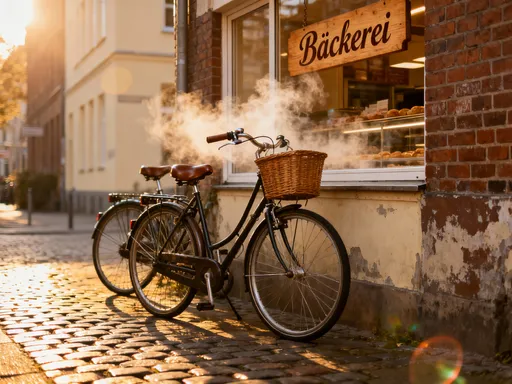
For a taste of tradition, stop by a family-run bakery like Bäckerei Cordes or a historic café such as Café Knust, where you can enjoy a slice of apfelstreusel or a warm buttery croissant. The food here is simple but deeply satisfying, rooted in German baking customs. Altona is easily accessible by S-Bahn (lines S1, S2, or S3) and is best visited on a weekend morning when the market is in full swing and the streets are alive with energy. Whether you’re drawn to history, culture, or just a slower pace, Altona offers a refreshing alternative to the usual tourist trail.
St. Pauli Beyond the Reeperbahn: The Real Pulse of the People
St. Pauli is often reduced to its most famous street—the Reeperbahn—a place known for its nightlife, entertainment, and neon-lit energy. But beyond the clubs and cabarets lies a different St. Pauli, one that pulses with the rhythm of everyday life. During the day, the district transforms into a neighborhood of colorful townhouses, quiet courtyards, and community-run green spaces. It’s a place where artists, students, and long-time residents coexist, creating a dynamic yet grounded atmosphere.
Wander away from the main strip and you’ll find streets like Grosse Freiheit and Schanzenstraße, where murals cover entire buildings and small galleries display local art. These areas reflect St. Pauli’s long-standing reputation as a hub of counterculture and free expression. Yet, just around the corner, you might stumble upon a neighborhood pub where regulars gather for a midday beer or a community garden tended by volunteers. This duality—between spectacle and serenity—is part of what makes St. Pauli so compelling.
No visit to St. Pauli is complete without experiencing the Fischmarkt at dawn. Every Sunday morning, the harbor comes alive with one of Hamburg’s oldest and most beloved traditions. Long before the nightclubs close, fishmongers, farmers, and performers gather to welcome the day with music, fresh seafood, and an electric sense of camaraderie. Locals and visitors alike line up for smoked eel, pickled herring, and strong coffee, all while live bands play everything from folk tunes to rock covers. The Fischmarkt is not a performance for tourists—it’s a real, working market with deep cultural roots.
For those concerned about safety or noise, visiting St. Pauli during daylight hours offers a respectful and rewarding way to explore. The early morning Fischmarkt is especially welcoming, with a family-friendly vibe and a sense of shared celebration. As the sun rises over the Elbe, the energy is uplifting, not overwhelming. It’s a reminder that cities are not just places of monuments, but living spaces shaped by routines, rituals, and relationships. By experiencing St. Pauli beyond the Reeperbahn, you gain a fuller, more balanced understanding of Hamburg’s spirit.
Eppendorf: Green Serenity in the City
Nestled in the northern part of Hamburg, Eppendorf is a district that feels worlds away from the urban rush, yet remains easily accessible. Known for its tree-lined avenues, elegant villas, and proximity to the Alster Lake, Eppendorf offers a peaceful retreat without requiring a journey outside the city. It’s a favorite among families, professionals, and anyone seeking a quieter, more refined side of Hamburg. While it may lack the edgy reputation of other neighborhoods, Eppendorf’s charm lies in its understated elegance and deep connection to nature.
The heart of Eppendorf is its central avenue, Eppendorfer Landstraße, a broad boulevard shaded by linden trees and lined with boutique shops, florists, and cozy cafés. Here, the pace of life is noticeably slower. Women in tailored coats walk dogs on leashes, children ride bicycles to school, and neighbors greet each other by name. It’s a neighborhood where quality of life is visible in the details—the well-kept gardens, the clean sidewalks, the care taken in small businesses.
One of the greatest draws of Eppendorf is its access to green space. Just a short walk leads to the Alster Lake, where walking and jogging paths wind along the water’s edge. On sunny days, locals gather to row boats, picnic on the grass, or simply sit and watch the swans glide by. The lake is a centerpiece of Hamburg’s identity, and Eppendorf offers some of the most scenic and tranquil access points. A boat ride on the Alster, whether in a rowboat or a small electric cruiser, is a perfect way to spend a quiet afternoon.
For a relaxing break, stop at one of the neighborhood’s independent cafés, such as Café Vorbereitung or Kleiner Feigling, where you can enjoy a slice of homemade cake and a perfectly brewed coffee. The food is seasonal and locally sourced, reflecting a commitment to sustainability and taste. Eppendorf is also home to several excellent bakeries and delicatessens, making it ideal for a self-guided food walk. While it may not have the gritty authenticity of Altona or the energy of St. Pauli, Eppendorf offers something equally valuable: serenity, beauty, and a glimpse into a more balanced way of urban living.
Wandsbek: Everyday Hamburg, Full of Surprises
Often overlooked by visitors, Wandsbek is one of Hamburg’s largest and most livable districts, offering a true snapshot of everyday life. As a residential hub with excellent transport links, it’s where many Hamburgers raise families, commute to work, and enjoy weekends in nature. Yet, beneath its unassuming surface, Wandsbek holds surprises—modern architecture, hidden parks, and a strong sense of community. It’s the kind of place where you can see how people really live, not just how they perform for tourists.
The centerpiece of Wandsbek is its modern shopping district, Wandsbek Markt, which combines a sleek shopping center with a historic market square. The area has been thoughtfully redesigned to blend function and beauty, with wide walkways, public art, and green spaces. Around the market, you’ll find everything from international restaurants to local boutiques, making it a convenient and pleasant place to spend an afternoon. But the real charm of Wandsbek lies beyond the commercial core.
Just a short walk from the center, the Farmsen Nature Reserve unfolds—a peaceful woodland area with walking trails, birdwatching spots, and meadows that bloom in spring. It’s a favorite among locals who want to escape the city without leaving it. Families come here for weekend walks, dog owners let their pets roam freely, and photographers capture the changing seasons. The reserve is a reminder that nature is not separate from urban life in Hamburg—it is woven into it.
For a genuine local experience, stop at a neighborhood roastery like Rösterei 13 or a family-run café where residents gather for morning coffee. These small moments of connection—watching a grandmother chat with the barista, seeing children share a pastry—are what make Wandsbek special. The district doesn’t try to impress; it simply lives. And in that authenticity, it offers a quiet kind of beauty. Travelers who take the time to explore Wandsbek often leave with a deeper appreciation for the rhythm of daily life in Hamburg.
HafenCity: The Future Built on Water
Rising from the banks of the Elbe, HafenCity is a bold vision of urban renewal and architectural innovation. As Europe’s largest inner-city development project, it represents Hamburg’s commitment to blending modernity with sustainability. Once a maze of old port warehouses and shipping lanes, this district has been transformed into a walkable, vibrant neighborhood of glass towers, cultural spaces, and public plazas. At its heart stands the Elbphilharmonie, a concert hall that has become a symbol of the city’s creative ambition.
Walking through HafenCity, you’re immediately struck by the contrast between old and new. Historic brick warehouses, some over a century old, have been repurposed into offices, hotels, and restaurants, while sleek new buildings soar above them. The streets are wide and open, designed for pedestrians and cyclists, with views of the river at every turn. It’s a place built for movement and connection, where people come to work, live, and explore.
One of the best ways to experience HafenCity is on foot. A self-guided walking tour allows you to appreciate the details—the texture of the façades, the sound of water lapping against the piers, the way light reflects off the glass at sunset. For a different perspective, take a short boat tour along the Elbe, where guides share stories about the port’s history and the city’s maritime legacy. These tours are especially popular in the evening, when the Elbphilharmonie lights up like a glowing lantern.
Photography lovers will find endless opportunities, from the dramatic curves of the Elbphilharmonie to the quiet corners of Sandtorkai, where old cranes stand as silent sentinels. The best photo spots are often just off the main paths—try the plaza behind the concert hall at golden hour, or the viewing platform at the Kaispeicher B building. Unlike the crowded tourist spots, HafenCity offers space to breathe, to pause, and to take in the scale of human ambition. It’s not just a district; it’s a statement about what cities can become.
Wilhelmsburg: Resilience, Culture, and Green Innovation
Situated on an island in the Elbe River, Wilhelmsburg is one of Hamburg’s most diverse and resilient neighborhoods. Historically shaped by industry and immigration, it has long been a home for working-class families and newcomers to the city. In recent years, Wilhelmsburg has undergone a remarkable transformation, becoming a model for sustainable urban development and community-driven change. It’s a place where innovation meets tradition, and where the future is being built with care and inclusivity.
One of the most significant initiatives in Wilhelmsburg is the International Building Exhibition (IBA), a decade-long project that introduced eco-friendly housing, green roofs, and climate-resilient design. The IBA Waterfront, in particular, showcases how urban planning can adapt to rising water levels and extreme weather. Walking through this area, you’ll see modern apartment buildings with solar panels, community gardens on rooftops, and playgrounds built from recycled materials. These are not just architectural experiments—they are homes where people live, work, and raise families.
Culture thrives in Wilhelmsburg, too. The Wilhelmsburger Rathausplatz is a vibrant public square that hosts festivals, markets, and outdoor concerts throughout the year. These events celebrate the district’s multicultural identity, with food, music, and dance from Turkey, Poland, Vietnam, and beyond. It’s a place of joy and connection, where differences are not just accepted but celebrated. Local schools, community centers, and art projects further strengthen the sense of belonging.
For visitors, Wilhelmsburg offers a chance to engage with ethical tourism—exploring a neighborhood that values sustainability, equity, and participation. It’s important to approach with respect, recognizing that this is not a museum but a living community. Simple gestures—shopping at a local market, saying hello to a neighbor, learning a few words in another language—can make a difference. Wilhelmsburg reminds us that cities are not just made of buildings, but of people, and that progress is most meaningful when it includes everyone.
Conclusion: Why Districts Define Hamburg
Hamburg is not a city to be seen from a distance or rushed through in a single day. Its true character emerges slowly, neighborhood by neighborhood, in the quiet corners and daily rituals that define local life. From the historic streets of Altona to the innovative spirit of HafenCity, each district contributes a unique thread to the city’s rich tapestry. Together, they form a portrait of a place that honors its past while boldly shaping its future.
Traveling through these districts teaches us to slow down, to look closely, and to listen. It shifts our focus from landmarks to life—from seeing to understanding. In Altona, we learn about independence and creativity. In St. Pauli, we discover balance between energy and calm. In Eppendorf, we appreciate serenity and beauty. In Wandsbek, we witness the quiet strength of community. In HafenCity, we marvel at human ambition. And in Wilhelmsburg, we are reminded of resilience and inclusion.
The most meaningful journeys are not those that follow a checklist, but those that follow curiosity. Hamburg invites you to walk its streets with openness, to embrace the unexpected, and to find connection in the details. Whether you’re a first-time visitor or a returning traveler, there is always something new to discover—not because the city changes, but because your perspective deepens.
So the next time you plan a trip, consider leaving the guidebook behind and letting the neighborhoods guide you. Let a bakery’s aroma lead you down a side street. Let a mural draw you into a conversation. Let the rhythm of a market or the stillness of a park shape your day. Because cities are not just destinations—they are living stories, and the best way to know them is to walk through them, one step at a time.