Taste of Oslo: Where Culture and Cuisine Collide in the Most Unexpected Ways
Have you ever wandered through a city and stumbled upon a place where food feels like art, and every bite tells a story? That’s exactly what happened when I explored Oslo’s cultural venues—not just museums and galleries, but spaces where flavor meets heritage. From historic halls serving modern Nordic dishes to waterfront theaters with culinary secrets, Oslo blends taste and tradition like nowhere else. This is more than a food tour—it’s a cultural journey on a plate. In a city where design, nature, and narrative intertwine, dining becomes an extension of artistic expression. Oslo invites visitors to experience culture not only through sight and sound but through taste—a full-sensory immersion that transforms ordinary meals into meaningful moments.
The Fusion of Food and Culture in Oslo
Oslo, the capital of Norway, has long been celebrated for its reverence for nature, craftsmanship, and minimalist design. In recent years, the city has quietly redefined what it means to dine within a cultural space. No longer are restaurants mere afterthoughts in museums or theaters—instead, they have become integral parts of the visitor experience, thoughtfully curated to complement the art, history, and architecture surrounding them. This seamless integration reflects a broader Scandinavian philosophy: that beauty and function should coexist, and that everyday experiences—like eating—can be elevated to something profound.
What sets Oslo apart is its commitment to authenticity. Menus are rooted in seasonal, locally sourced ingredients, often reflecting ancient Norwegian traditions reinterpreted through a contemporary lens. At the same time, the city's cultural institutions maintain a democratic spirit—accessible to all, not just elite patrons. Whether you're sipping coffee beneath a towering sculpture or enjoying a seafood platter as the sun dips below the fjord, the experience feels inclusive, intentional, and deeply personal. It’s here, in these thoughtfully designed intersections of food and culture, that Oslo reveals its true character.
The city’s approach also aligns with growing global interest in experiential travel. Modern travelers don’t just want to see a destination—they want to feel it, taste it, understand it. Oslo delivers by offering meals that are not isolated events but chapters in a larger narrative about place, people, and identity. This fusion isn’t accidental; it’s a deliberate evolution shaped by architects, chefs, curators, and city planners who recognize that culture lives not only in galleries but on plates.
The Culinary Heart of the National Museum: More Than Just Exhibits
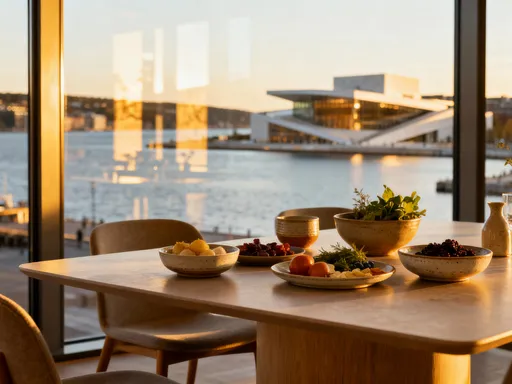
The National Museum of Art, Architecture and Design stands as one of Oslo’s most significant cultural landmarks, housing over 400,000 works ranging from classical paintings to cutting-edge installations. But beyond its vast collection lies a lesser-known treasure: its in-house restaurant, which has emerged as a destination in its own right. Designed with the same minimalist elegance as the museum itself, the dining space features floor-to-ceiling windows that frame sweeping views of the Oslofjord, allowing natural light to bathe both artwork and diners alike.
The menu here is a celebration of Norwegian terroir. Dishes emphasize seasonal produce, sustainably caught seafood, and heritage grains. A typical lunch might include poached Arctic char with dill-infused potatoes and pickled vegetables, while dinner could offer slow-roasted lamb from inland farms, served with wild herbs foraged from nearby forests. Even the bread is baked daily using traditional methods, with sourdough starters passed down through generations. Every element is chosen not only for flavor but for its connection to the land and history.
What makes this experience unique is how seamlessly the meal integrates with the museum’s mission. Just as the exhibits tell stories of Norwegian creativity and resilience, so too does the food. The restaurant’s design—clean lines, natural materials, unobtrusive service—mirrors the aesthetic values on display inside. Guests often linger over coffee, discussing both the art they’ve seen and the flavors they’ve tasted, creating a dialogue between senses and intellect. In this way, the restaurant becomes more than a place to eat; it becomes an extension of the cultural journey.
Moreover, the National Museum’s culinary program includes regular collaborations with guest chefs and food historians, who host themed dinners based on historical periods or artistic movements. These events draw locals and tourists alike, reinforcing the idea that food is not separate from culture but a vital thread within it. For families visiting with children, the museum also offers family-friendly tasting menus, introducing younger generations to Norway’s culinary legacy in an engaging, educational way.
Munch Museum: Dining Under the Shadow of “The Scream”
Walking into the Munch Museum is an emotional experience. The works of Edvard Munch—especially his iconic The Scream—confront viewers with raw human vulnerability, anxiety, and longing. Yet, just steps away from these intense images lies a surprisingly warm and inviting café, where the aroma of freshly brewed coffee and baking waffles provides a gentle counterbalance. This contrast is no accident; it’s part of the museum’s thoughtful curation, recognizing that deep artistic engagement requires moments of comfort and reflection.
The café’s menu draws quiet inspiration from Munch’s life and Norwegian domestic traditions. While there are no literal recreations of meals he might have eaten, subtle nods appear in the form of rye bread with goat cheese and lingonberry jam, or cardamom buns served with cloudberry jam—flavors that evoke both personal memory and national identity. The waffles, a staple of Norwegian café culture, are served with whipped cream and seasonal berries, encouraging a slow, mindful pause amid the emotional intensity of the galleries.
Visitors often sit in contemplative silence, sipping coffee while gazing out at the Tjuvholmen skyline or flipping through exhibition catalogs. Some come specifically for the café, treating it as a peaceful urban retreat. Others arrive drained from confronting Munch’s psychological depth and find solace in the simple pleasure of a warm drink and a sweet treat. This duality—of confronting darkness while embracing comfort—is central to the Norwegian concept of kos, a cherished cultural value centered on coziness, togetherness, and emotional warmth.
The museum occasionally hosts evening events where live piano music accompanies dinner, transforming the space into a multisensory tribute to Munch’s relationship with music and melancholy. These gatherings attract a diverse crowd, from art scholars to local residents, further blurring the line between high culture and everyday life. In this setting, food does not distract from the art—it deepens the experience, offering a humanizing anchor amidst powerful emotions.
The Oslo Opera House: A Feast for the Senses
Rising dramatically from the waterfront like a glacier carved by wind and water, the Oslo Opera House is one of the city’s most recognizable architectural achievements. Designed by Snøhetta, the building invites visitors to walk up its sloping marble roof, offering panoramic views of the harbor and surrounding hills. But fewer realize that the Opera House also houses a dynamic culinary scene, where world-class performances meet equally refined dining experiences.
At the top level, the rooftop restaurant opens during select performances and special events, serving gourmet Nordic cuisine in an open-air setting. Imagine savoring a dish of cured salmon with horseradish cream and dill oil as the sun sets over the fjord, turning the sky into a canvas of gold and rose. The menu changes seasonally, highlighting ingredients like reindeer moss, sea buckthorn, and fermented dairy—flavors that reflect Norway’s bold landscape and innovative culinary spirit.
Even outside formal dining hours, the Opera House buzzes with gastronomic energy. During summer festivals and open-air concerts, pop-up food stalls line the plaza below, offering artisanal versions of classic Norwegian street food. You might find smoked mackerel on rye, reindeer sausage with mustard made from wild berries, or goat cheese crostini topped with spruce tips. These bites are not mere snacks—they are carefully crafted expressions of regional pride, served with pride by local vendors.
What makes this space truly democratic is its accessibility. Unlike many opera houses around the world, which feel exclusive or intimidating, Oslo’s version welcomes everyone. Families picnic on the marble slopes, couples share wine from reusable flasks, and solo visitors read books while listening to free rehearsals. The presence of food enhances this inclusivity, turning the venue into a living cultural commons. Here, high art and casual enjoyment coexist, reflecting Oslo’s broader ethos: that culture should be experienced, not just observed.
Hidden Gems: Cultural Cafés in Off-the-Beaten-Path Galleries
While the major institutions draw international attention, some of Oslo’s most memorable culinary moments happen in smaller, lesser-known cultural spaces. These hidden gems—often tucked into repurposed buildings or community-run galleries—offer intimate, authentic encounters that larger venues cannot replicate. They are the heartbeat of Oslo’s grassroots cultural movement, where art, conversation, and food flow together naturally.
One such example is a café housed within a former theater in the Grünerløkka district, now converted into a multidisciplinary arts center. On weekends, the stage transforms into a brunch venue, where guests dine on open-faced sandwiches topped with pickled herring, boiled eggs, and fresh dill, all served on handmade ceramic plates. The atmosphere is relaxed, with local jazz playing softly in the background and artists sketching in the corners. There’s no pretense—just good food, good company, and a shared appreciation for creative expression.
Another standout is a design studio in the Vulkan neighborhood that opens its doors every Saturday as a pop-up café. Run by a collective of young architects and food enthusiasts, the menu changes weekly based on what’s available at the nearby farmer’s market. One week might feature barley risotto with roasted mushrooms and thyme; the next could offer beetroot tartare with goat cheese mousse and hazelnuts. The space doubles as an exhibition area, with sketches, models, and prototypes displayed on shelves and tables, turning the meal into a dialogue between form and flavor.
These spaces thrive on slowness—a deliberate rejection of fast tourism in favor of deeper connection. Visitors are encouraged to stay, talk, and engage. Staff often share stories about the ingredients or the artists whose work surrounds them. For families, these cafés offer a refreshing alternative to crowded tourist spots, allowing children to explore freely while parents enjoy a peaceful meal. In these quiet corners of the city, culture is not something to consume quickly—it’s something to live within.
Food as Performance: Culinary Events in Theaters and Concert Halls
In Oslo, the boundary between dining and performance is increasingly blurred. Across the city, theaters and concert halls are reimagining their roles by integrating food into live events, creating immersive experiences that engage multiple senses at once. These are not simply dinner-and-a-show affairs; they are carefully choreographed productions where cuisine becomes part of the narrative.
One notable example is the annual “Taste of Sound” festival at the Norwegian National Opera & Ballet, where select performances are paired with curated tasting menus. During a production inspired by Nordic folklore, guests might enjoy a five-course meal where each dish corresponds to a different act—starting with a chilled spruce soup symbolizing the forest, ending with a dark chocolate dessert infused with cloudberry, representing the bittersweet nature of myth. The meal is served in the theater’s lounge, with musicians performing excerpts between courses, creating a rhythm that mirrors the pacing of the opera.
Other venues take a more interactive approach. At a small experimental theater in the Kampen district, audiences recently participated in a play about migration and memory, where each seat came with a small wooden box containing edible elements—rye crispbread, dried fish, elderflower syrup—that were consumed at specific moments in the story. The act of eating became part of the performance, triggering personal memories and sensory associations that deepened emotional engagement.
These events reflect a growing understanding that culture is not passive. When audiences eat, smell, and touch as they watch or listen, their connection to the material intensifies. For families, such experiences offer a unique way to introduce children to complex themes through accessible, sensory-based storytelling. Moreover, many of these programs are developed in collaboration with local farmers, bakers, and food artisans, reinforcing community ties and supporting sustainable practices.
Practical Tips for Experiencing Oslo’s Cultural Dining Scene
To fully appreciate Oslo’s unique blend of culture and cuisine, a bit of planning goes a long way. First, consider timing your visits to align with meal hours. Many cultural venues offer their most compelling menus during lunch and early evening, and arriving during these windows ensures access to both exhibits and dining experiences. For popular spots like the National Museum or the Opera House, reservations are recommended, especially on weekends or during festivals like Oslo Kulinarisk and Pulse Art Fair.
Price ranges vary, but most cultural cafés and restaurants aim for mid-range accessibility. A typical lunch dish costs between 180 and 280 NOK (approximately $16–$25 USD), while tasting menus at special events may reach 600–800 NOK. While Oslo is not known for being inexpensive, the value lies in the quality and intentionality of the experience. Many venues also offer reduced-price combo tickets that include entry and a meal, making it easier to enjoy both art and food without overspending.
Transportation is straightforward thanks to Oslo’s efficient public transit system. The metro, tram, and bus networks connect major cultural sites, and many are within walking distance of each other, especially in the city center. Consider using the Ruter app to plan routes and purchase tickets. For those arriving by ferry or cruise ship, the waterfront museums and opera house are easily accessible on foot, making for a seamless start to your cultural journey.
Finally, approach these experiences with an open mind. Some of the most memorable meals happen in unexpected places—a community center in a residential neighborhood, a pop-up in a converted warehouse, or a quiet corner of a university gallery. Don’t hesitate to ask staff for recommendations; locals are generally welcoming and proud to share their city’s hidden culinary treasures. And remember, the goal is not to check off attractions but to slow down, savor, and connect.
Why Oslo’s Cultural Cuisine Deserves Global Attention
Oslo’s integration of food and culture represents something rare and valuable in today’s travel landscape. At a time when many cities prioritize spectacle over substance, Oslo chooses depth, authenticity, and inclusivity. Its cultural venues do not merely display art—they live it, serve it, and share it. In doing so, they invite visitors to engage with Norway’s identity in a holistic, deeply personal way.
This model offers lessons far beyond Scandinavia. It shows that dining can be more than sustenance or entertainment—it can be a form of cultural literacy. When a meal reflects the seasons, the landscape, and the history of a place, it becomes a bridge between visitor and host, between past and present. Oslo proves that such experiences don’t require extravagance; they require intention, respect, and a willingness to see food as a storytelling medium.
For families, this approach fosters meaningful travel—one where children learn about heritage through taste, where grandparents recall flavors from their youth, and where everyone gathers around a table as naturally as they would around a painting or performance. It’s a vision of tourism that values connection over consumption, presence over possession.
As the world becomes more interconnected, the need for authentic cultural exchange grows. Oslo’s quiet revolution in cultural dining offers a blueprint: one where art, architecture, and appetite come together in harmony. The next time you plan a trip, consider not just what you’ll see—but what you’ll taste. Because in Oslo, the most unforgettable moments often come on a plate.