You Won’t Believe What I Shot at Taupō’s Festival of Light
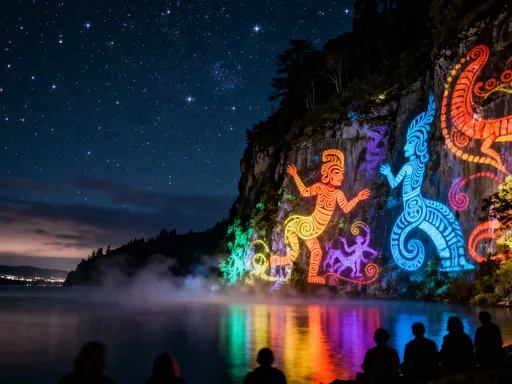
Have you ever seen a lake glow under the stars while Māori legends come alive through light and sound? Taupō, New Zealand isn’t just about volcanoes and trout fishing—its festival culture is a visual dream. As a photographer, I was blown away by how deeply story and scenery blend here. This isn’t just travel photography; it’s capturing living culture in motion, where every frame pulses with meaning and magic. The Festival of Light transforms the shores of Lake Taupō into an open-air gallery of ancestral narratives, projected light, and community spirit. For those who carry a camera not just to document, but to understand, this experience offers something rare: a chance to witness tradition reimagined through modern artistry, all within one of the most geologically dynamic landscapes on Earth.
The Heartbeat of Taupō: Where Nature Meets Celebration
Lake Taupō is not merely a body of water—it is a living presence, born from one of the most powerful volcanic eruptions in recorded history. Nestled in the central North Island of New Zealand, the lake fills a caldera so vast it stretches over 600 square kilometers, its deep blue waters reflecting a sky often streaked with the soft hues of dawn or dusk. But beyond its geological grandeur, Taupō holds a deeper resonance. For the local iwi (Māori tribes), particularly Ngāti Tūwharetoa, the lake is an ancestor, a guardian, and a source of identity. This profound connection between land and people shapes every aspect of life in the region—and especially its festivals.
The natural environment doesn’t just frame these celebrations; it actively participates in them. The Festival of Light, held annually in summer, takes full advantage of the long evenings and mild temperatures. Its timing often aligns with Matariki, the Māori New Year, marked by the reappearance of the Pleiades star cluster in the winter sky. Though Matariki is more commonly celebrated in June or July, many communities extend its themes of renewal, gratitude, and storytelling into the summer months, creating space for shared joy and reflection. In Taupō, this cultural rhythm finds vivid expression through art, performance, and light installations that transform the lakeside into a stage for both memory and imagination.
What sets Taupō apart is how seamlessly public spaces become sites of cultural activation. During the festival, the promenade along the eastern shore, typically a quiet walkway dotted with benches and native plantings, becomes a curated journey of illumination. Local artists, designers, and community groups collaborate to create immersive experiences that invite visitors not only to look, but to feel. The air hums with anticipation as families gather, children chase glowing hoops, and elders sit quietly, watching ancestral stories unfold in color and motion. There is no separation between performer and audience, between sacred and celebratory—just a shared moment of collective presence.
This integration of nature and culture is not accidental. It reflects a worldview in which the environment is not a backdrop, but a participant. Steam rises from nearby geothermal vents, curling like whispers above the water’s surface. The wind carries the scent of wet stone and native ferns. And when darkness falls, the reflections of light on the lake create a second world beneath the waves—one that seems to pulse with ancient energy. For photographers, this means every shot captures more than a scene; it records a conversation between earth, sky, water, and human expression.
Festival of Light: A Photographer’s Dream Unfolds
If there is a single event that encapsulates the soul of Taupō’s creative spirit, it is the Festival of Light. Each evening, as twilight deepens, the shoreline ignites with a symphony of projected imagery, soundscapes, and kinetic sculptures. What makes this festival extraordinary for visual storytellers is not just the scale of the displays, but their depth of meaning. These are not random light shows—they are narratives rendered in color and motion, drawn from pūrākau (Māori legends) and woven into the very fabric of the landscape.
One of the most striking installations often appears on the basalt cliffs near the lake’s edge, where moving images are projected onto naturally weathered rock faces. These animations might depict the journey of Māui, the demigod who fished up the North Island, or the tale of Hinemoa and Tūtānekai, whose love story unfolds across the waters of Lake Rotorua. The textures of the stone enhance the visuals, adding depth and organic movement to the storytelling. Elsewhere, light dances across the surface of the lake itself, using carefully placed buoys and floating platforms to create shimmering patterns that ripple with the water’s natural motion. Trees along the walkway are wrapped in programmable LEDs, their branches becoming constellations that mirror those above.
For photographers, these elements offer endless compositional possibilities. The key to capturing their essence lies in preparation and patience. Long exposure techniques are essential—using shutter speeds between 10 and 30 seconds allows the light trails to emerge while maintaining sharpness in static elements like the shoreline or silhouetted trees. A tripod is non-negotiable, especially when shooting at dusk or after full dark, when ambient light levels drop significantly. A wide-angle lens (between 16mm and 35mm) helps capture the full scope of large installations, while a mid-range zoom (70–200mm) can isolate details such as facial expressions of onlookers or the interplay of light on water droplets.
Timing is equally critical. The most dynamic lighting effects typically begin around 30 minutes after sunset, when the sky retains a soft blue glow that contrasts beautifully with artificial illumination. This period, known as civil twilight, provides a natural balance between ambient and artificial light, reducing the need for heavy post-processing. Arriving early allows photographers to scout compositions, set up tripods in stable locations, and observe how light patterns evolve over time. Because many installations are synchronized to music or narration, there are moments of crescendo—peaks in brightness or motion—that make ideal focal points for still images.
Equally important is understanding the flow of the crowd. While the festival draws families, tourists, and locals alike, movement tends to follow a natural rhythm—people linger at certain installations, move quickly through others. Learning this pattern helps photographers anticipate moments of stillness or interaction. Shooting from slightly elevated positions, where available, can provide a broader perspective, especially when capturing reflections on the water. But even at ground level, the immersive nature of the festival ensures that compelling frames are always within reach.
Beyond the Lens: Immersion Over Observation
Photography at the Festival of Light becomes truly meaningful when it moves beyond documentation into relationship. In recent years, a growing number of visitors have sought not just to take pictures, but to understand what they are photographing. This shift has led to the inclusion of guided wānanga—traditional Māori learning sessions—offered in partnership with local cultural leaders. These workshops, often held in the afternoon before the evening light displays begin, provide essential context for the symbols, stories, and protocols embedded in the festival.
Participants might learn about the significance of tukutuku (woven lattice patterns), the spiritual meaning behind certain colors, or the proper way to approach a marae (communal meeting ground) if one is part of the festival route. For photographers, this knowledge transforms the act of shooting from mere observation to respectful interpretation. A carved figure illuminated at night is no longer just an interesting subject—it becomes a representation of an ancestor, a protector, or a teacher. Understanding this changes how one frames the image, what moments are chosen, and whether a shot should be taken at all.
One of the core principles taught in these wānanga is the concept of tapu—sacredness or spiritual restriction. Certain performances, rituals, or spaces may be tapu, meaning photography is either discouraged or requires explicit permission. This is not a rule imposed for convenience, but a reflection of deep cultural values. Respecting tapu means pausing the shutter finger, listening first, and engaging with humility. It also means avoiding angles that could be seen as intrusive or disrespectful—such as shooting upward at a performer in a way that diminishes their presence, or capturing private moments without consent.
Building trust begins with simple gestures: introducing oneself, asking before photographing individuals, and acknowledging the kaiako (teachers) and kaumatua (elders) who steward the event. Many attendees appreciate when visitors show genuine interest in the culture, rather than treating it as a backdrop for social media content. When permission is granted, the resulting photographs often carry greater emotional weight—because they were made in partnership, not extraction.
Chasing Golden Hours: When and Where to Shoot
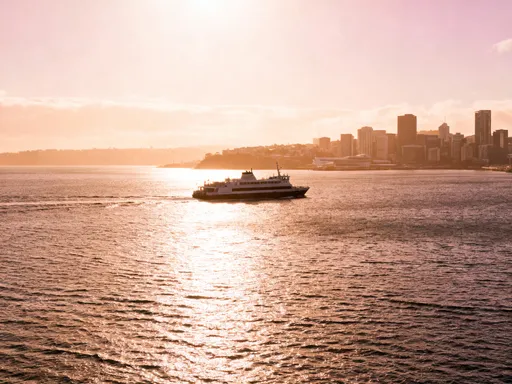
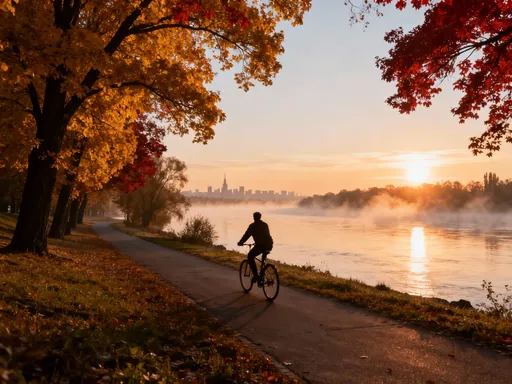
The magic of the Festival of Light unfolds in layers, and each phase of the day offers distinct photographic opportunities. While the main event occurs after dark, the hours before and after provide some of the most atmospheric conditions for image-making. Dawn, though less crowded, presents a serene counterpoint to the evening’s energy. The lake is often still, its surface acting as a perfect mirror for the soft pinks and golds of sunrise. Mist may rise from the water, especially in cooler months, adding a dreamlike quality to wide-angle shots of the empty promenade.
Midday offers a chance to scout locations, test compositions, and interact with artists setting up their installations. While harsh sunlight is generally less favorable for photography, it reveals textures and structural details that are invisible at night—such as the weave of a sculpture’s frame or the placement of projection lenses. This is also the best time to check accessibility, identify safe spots for tripods, and note any changes in terrain due to weather or foot traffic.
But the most transformative light occurs during the golden hour and twilight periods. As the sun dips below the horizon, the sky transitions through a spectrum of warm oranges and deep blues. This ambient glow provides a natural fill light that complements the artificial colors of the festival. Photographers can use this window to capture environmental portraits—families walking together, children holding glow sticks, vendors arranging their stalls—all bathed in a soft, flattering light. It is also the ideal time to experiment with silhouettes, using the darkening skyline as a backdrop for illuminated figures or structures.
When full darkness arrives, the lakefront becomes a canvas of pure color and contrast. At this stage, exposure settings must adapt. Aperture values between f/8 and f/11 ensure sharp focus across wide scenes, while ISO settings should remain low (100–400) to minimize noise. White balance can be tricky under mixed lighting conditions; setting it manually to around 4000K often preserves the true tones of both artificial lights and natural shadows. Because weather in Taupō can shift rapidly—especially near the water—a rain cover for the camera and a moisture-resistant bag for gear are essential. The lake’s microclimate means sudden breezes or light drizzle are common, even on clear days.
For those seeking panoramic views, the eastern shoreline offers relatively flat, stable ground suitable for tripod use. Areas near designated viewing platforms or park zones provide safe access without obstructing pathways. Photographers should avoid unstable edges, rocky outcrops, or areas marked for conservation. By choosing accessible, respectful vantage points, they ensure both personal safety and environmental care.
Local Life in Focus: Faces, Food, and Firelight
While the light installations are the festival’s centerpiece, its heartbeat lies in the people. The warmth of the event comes not just from projected beams, but from the glow of fire pits, the laughter of children, and the aroma of freshly cooked food. Street vendors line the walkways, offering modern takes on traditional flavors—slow-cooked meats inspired by hangi (earth oven cooking), kūmara (sweet potato) fritters, and rewena bread with honey butter. These moments of daily life add texture and authenticity to any photographic series.
Capturing candid portraits requires both technical skill and emotional intelligence. Natural light sources—such as the flicker of a fire, the warm glow of a lantern, or the reflection of colored LEDs on a face—can create dramatic and intimate effects. Shooting wide (using apertures like f/2.8 or f/4) helps blur busy backgrounds while keeping the subject sharp. But more important than settings is approach. A smile, a nod, a brief conversation—these small gestures often open the door to meaningful images. Many locals are happy to be photographed if asked respectfully, especially when the photographer shows interest in their role in the festival.
Children are particularly expressive subjects, their faces alight with wonder as they paint glowing masks or dance in front of moving projections. Elders, too, offer powerful portraits—lines etched by time, eyes that have seen generations pass, hands that have shaped carvings and woven flax. Including these generations in a photo essay creates a narrative of continuity, showing how culture is carried forward not through spectacle alone, but through everyday acts of sharing and teaching.
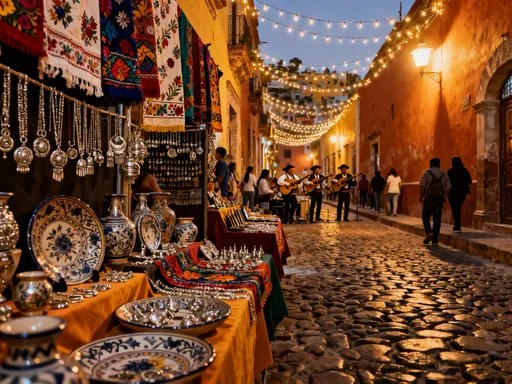
The market stalls themselves are rich with detail. Handcrafted pounamu (greenstone) jewelry, woven harakeke (flax) bags, and painted wooden carvings reflect both tradition and innovation. Photographing these items in context—held by a vendor, displayed on a cloth, admired by a child—adds layers of meaning. Close-up shots of textures—the grain of wood, the sheen of stone, the weave of fabric—can stand alongside wider scenes to create a full sensory experience.
Why Taupō Stands Out in Festival Photography
In an age of globalized festivals, where light shows in one city often resemble those in another, Taupō offers something increasingly rare: authenticity. Unlike large-scale commercial events that prioritize spectacle over substance, the Festival of Light is rooted in place, people, and purpose. Its scale is intimate, its message clear. This is not entertainment designed for viral videos—it is a celebration born from community, guided by cultural knowledge, and shaped by the land itself.
What makes Taupō visually unique is the convergence of elemental forces. The lake, formed by fire, now reflects light in ways that feel almost primordial. Steam rises from geothermal areas nearby, catching the glow of installations and creating an ethereal haze. The water’s surface, dark and glassy, acts like polished obsidian, doubling every beam and color. These natural phenomena enhance the artificial light, making the entire environment feel alive. For photographers, this means every image benefits from an added layer of depth—nature is not just the setting, but a collaborator.
Accessibility further enhances the experience. Located just a three-hour drive from Auckland or a 90-minute trip from Rotorua, Taupō is within reach for many travelers. Yet despite its proximity to major centers, it retains a sense of remoteness and tranquility. The festival does not overwhelm the town; it integrates with it. There are no barricades separating locals from visitors, no exclusive zones reserved for VIPs. This openness fosters genuine interaction, making it easier to capture unguarded moments of connection.
Moreover, the festival’s commitment to sustainability—using energy-efficient LEDs, minimizing single-use materials, and involving local artists—adds another dimension to its appeal. Photographers who care about ethical travel find in Taupō a model of how celebration can coexist with responsibility. Every image taken here can reflect not just beauty, but values—respect for culture, care for the environment, and the importance of community.
From Snapshots to Stories: Making Your Photos Matter
The true measure of a photograph is not how many likes it receives, but how deeply it resonates. At the Festival of Light, the goal should not be to collect images, but to curate a story—one that honors the place, the people, and the moment. After returning home, photographers can begin by reviewing their work with intention. Which shots show progression? Which capture emotion, not just action? Which include context—the environment, the light, the faces around the subject?
A powerful photo series might begin with early morning stillness, move through daytime preparations, peak during the illuminated evening, and conclude with the quiet cleanup as lights fade. Including images of artists at work, families sharing food, or elders speaking adds narrative depth. Pairing these visuals with short captions—based on real conversations, not assumptions—ensures accuracy and respect. Instead of labeling a carving as “mysterious,” a caption might read: “This figure represents Tūmatauenga, god of war and human endeavor, as shared by local guide Hone during a wānanga session.”
Sharing the work thoughtfully is equally important. Consider exhibiting prints at a local community center, contributing to a collaborative digital album with other attendees, or donating a selection to the Taupō Museum or iwi archive. These acts acknowledge that the images belong not just to the photographer, but to the collective memory of the event. Even online sharing can be done with care—tagging local artists, crediting cultural sources, and avoiding sensationalism.
In this way, photography becomes a form of reciprocity. It gives visibility to a culture that welcomes visitors with generosity. It preserves moments that might otherwise fade. And it invites others to see Taupō not as a destination, but as a living story—one that continues to unfold with every season, every celebration, every beam of light across the water.
Photographing Taupō’s festival culture isn’t just about sharp focus or perfect exposure—it’s about respect, timing, and connection. When light, land, and legacy align, your camera doesn’t just record a moment; it honors a living tradition. The real masterpiece? Coming home with images that don’t just stun—but speak.