You Won’t Believe How Quiet This City Feels — Wellington’s Urban Soul Unplugged
You know what? I came to Wellington chasing coffee vibes and coastal walks, but I stayed for the silence. In a world that never stops buzzing, this city slows you down in the most unexpected ways. Between the harbor breeze, the book-lined streets, and the way locals savor every moment, I realized urban life doesn’t have to be loud. This is slow travel at its finest — not about ticking boxes, but feeling the pulse of a place that breathes with you.
The Rhythm of a City That Doesn’t Rush
Wellington moves to a different tempo. While other capital cities pulse with urgency, this coastal hub thrives on intentionality. The urban rhythm here is not one of speed, but of presence. The city center is compact, easily navigable on foot, and designed for lingering rather than rushing through. Streets like Cuba Street and Courtenay Place are alive with energy, yet never overwhelming. There’s a noticeable absence of honking horns, hurried foot traffic, or the pressure to keep up. Instead, people walk at a comfortable pace, often pausing to greet neighbors, admire street art, or sip a flat white at a sidewalk café.
One of the most striking aspects of Wellington’s pace is how seamlessly public transport integrates into the daily flow. The iconic red cable car glides up to the Botanic Garden with a nostalgic charm, offering panoramic views without the stress of traffic. Ferries to Eastbourne or Seatoun depart with quiet regularity, and riders often sit with books or simply gaze out at the water. Commuting feels less like a chore and more like an extension of the city’s contemplative mood. This isn’t just about infrastructure — it’s about culture. Wellingtonians have collectively chosen a different way of moving through their city, one that values connection over speed.
The pedestrian-first design of the city center reinforces this ethos. Wide sidewalks, green plazas, and car-free zones in key areas encourage people to take their time. Even during peak hours, there’s a sense of spaciousness. You won’t find towering skyscrapers casting long shadows or endless blocks of concrete. Instead, low-rise buildings, tree-lined avenues, and open sightlines to the harbor create a human-scale environment. This architectural intimacy fosters a sense of calm, allowing visitors to feel oriented and at ease. In a world where cities often feel like machines, Wellington feels like a living, breathing community.
Finding Stillness in the Heart of the City
What sets Wellington apart is its ability to offer deep stillness without requiring a journey to the countryside. Within minutes of the central business district, you can find yourself immersed in nature. The Botanic Garden is a prime example — a 26-hectare sanctuary that climbs the slopes of Wellington’s hills, offering winding paths, native tree canopies, and quiet clearings perfect for reflection. Unlike manicured city parks, this garden feels wild and alive, home to tōtara, rimu, and kauri trees that have stood for generations. The scent of damp earth and native blossoms fills the air, and birdsong replaces the hum of traffic.
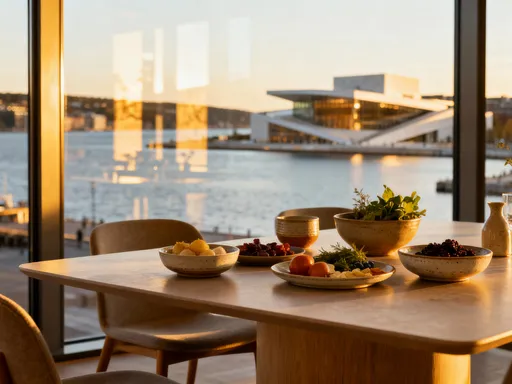
Equally restorative is the waterfront promenade, a gently curving path that stretches from Frank Kitts Park to Oriental Bay. This space is not designed for speed. Benches are thoughtfully placed to face the water, inviting passersby to sit and watch the ferries glide across the harbor. At sunrise, locals gather for quiet jogs or morning swims; at dusk, couples share wine on blankets, and children chase seagulls. The design philosophy is clear: this is a place to be, not just to pass through. Even on weekends, when the area is busier, there’s a shared understanding that noise and haste are out of place.
Smaller green spaces are woven throughout the city, each with its own character. Civic Square, surrounded by cultural institutions, features open lawns and a reflective fountain. Bolton Street Memorial Park, one of the oldest cemeteries in the country, has been transformed into a peaceful garden where history and nature coexist. These are not afterthoughts — they are essential parts of Wellington’s urban fabric. They provide mental reset points, places where a visitor can pause, breathe, and reconnect with themselves. In a society that often equates productivity with worth, these spaces quietly affirm the value of stillness.
The Art of Local Living: Cafés, Bookshops, and Corner Bars
To understand Wellington’s soul, you must spend time in its small, independent spaces. The city’s culture is rooted in its neighborhood hubs — cozy cafés, well-curated bookshops, and unpretentious bars where conversation flows as easily as the drinks. These are not tourist traps, but genuine parts of daily life. A morning in Wellington often begins with a stop at a local roaster, where baristas know regulars by name and take pride in their craft. The coffee is excellent, yes, but it’s the atmosphere that lingers — the low murmur of conversation, the clink of cups, the warmth of a well-worn wooden counter.
Bookshops like Unity Books on Lambton Quay are more than retail spaces — they are cultural anchors. Shelves are thoughtfully arranged, staff recommendations are handwritten, and events like poetry readings or author talks draw intimate crowds. You can spend an hour browsing, sipping tea from a nearby café brought in under a special arrangement. There’s no pressure to buy; the experience itself is the point. This is slow consumption at its best — mindful, personal, and deeply satisfying.
Evening in Wellington unfolds in corner pubs and neighborhood bars, many of which pour craft beer from local breweries. These aren’t loud, crowded venues, but relaxed spaces where people come to unwind and connect. A pint is often accompanied by a story — about a recent hike in the Tararua Ranges, a new art exhibition, or the latest play at BATS Theatre. The focus is on quality over quantity, depth over distraction. In these spaces, visitors aren’t outsiders — they’re welcomed into the rhythm of local life. It’s here that the true spirit of Wellington reveals itself: not in grand gestures, but in quiet moments of shared humanity.
Walking as a Way of Seeing
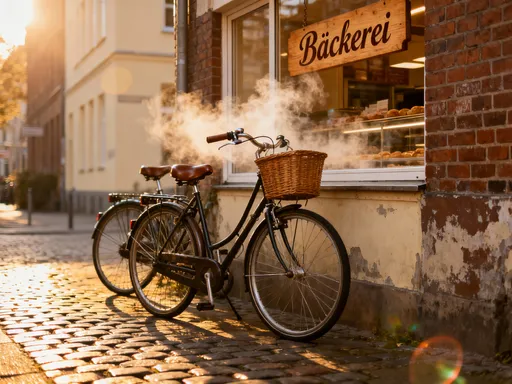
In Wellington, walking is not just a mode of transportation — it’s a philosophy. The city’s hilly terrain ensures that every step offers a new perspective. A path that seems ordinary suddenly opens to a breathtaking view of the harbor, framed by distant hills. A narrow alleyway reveals a vibrant mural, its colors glowing in the afternoon light. The scent of baking bread drifts from a hidden bakery, drawing you in like a memory. There are no rigid itineraries here; discovery happens organically, one quiet moment at a time.
A walk from Te Papa, the national museum, to Mount Victoria is a perfect example of this unfolding journey. You begin at the waterfront, where the modern glass façade of the museum meets the natural curve of the bay. As you move inland, the city’s layers reveal themselves — colonial-era buildings, contemporary art installations, and clusters of pōhutukawa trees that bloom crimson in summer. The climb up to Mount Victoria is gradual, winding through residential streets where gardens spill over fences and cats nap in sunlit windows.
At the summit, the Belvedere offers a 360-degree view of the city, the harbor, and the Cook Strait beyond. But the real reward isn’t the vista — it’s the journey. You’ve seen how people live, how the city breathes, how light shifts across rooftops and water. You’ve passed children playing in a park, heard snippets of conversation in Māori and English, felt the change in air as you move from concrete to forest. This kind of travel doesn’t require a guidebook. It requires presence. And in Wellington, presence is the most valuable currency.
Museums and Galleries Without the Hustle
Culture in Wellington is not rushed. At Te Papa Tongarewa, New Zealand’s national museum, visitors are encouraged to linger. The exhibits — from Māori taonga (treasures) to interactive science displays — are presented with care, but without the hushed reverence of more formal institutions. Families sit on the floor to examine artifacts, students sketch in notebooks, and elderly couples discuss history in soft voices. Open spaces and natural light create a sense of ease, making it feel less like a museum and more like a shared living room for the nation.
Smaller galleries offer equally immersive experiences. City Gallery Wellington, located in Civic Square, hosts rotating exhibitions of contemporary art in a space that feels intimate rather than imposing. You can spend twenty minutes with a single installation, contemplating its meaning, or sit in a sunlit corner with a journal. There’s no pressure to see everything. The emphasis is on engagement, not completion. Even the staff seem to understand this — they’re present but unobtrusive, ready to chat if you have a question, but never rushing you along.
What makes these cultural spaces special is their accessibility. Admission to Te Papa is free, ensuring that everyone, regardless of background, can participate in the national conversation. Temporary exhibitions may have a fee, but they’re reasonably priced and often include guided talks or community events. This commitment to inclusivity reflects a broader value in Wellington — that culture should be lived, not just observed. It’s not about checking off famous artworks; it’s about letting art and history speak to you in your own time.
The Harbor as a Living Space
The harbor is the city’s heartbeat. More than a scenic backdrop, it is a living, working, breathing part of daily life. Locals don’t just look at the water — they interact with it. At dawn, swimmers brave the cool waters near Franko’s, a popular ocean swim spot. Fishermen cast lines from the wharf, their rods propped on rusted stands. Kayakers glide across the glassy surface in the early light, their paddles dipping silently into the blue. Even office workers take breaks to walk the promenade, coffee in hand, watching the ferries make their steady crossings.
Oriental Bay, with its arc of golden sand and palm-like cabbage trees, is a favorite for families and sun-seekers. On weekends, picnic blankets dot the grass, and children build sandcastles at the water’s edge. Yet even at its busiest, the atmosphere remains relaxed. There are no loud music systems or crowded vendors — just the sound of waves and laughter. Nearby, the Jervois Quay dining strip offers casual eateries with outdoor seating, where people linger over long lunches and early dinners, watching the light shift on the water.
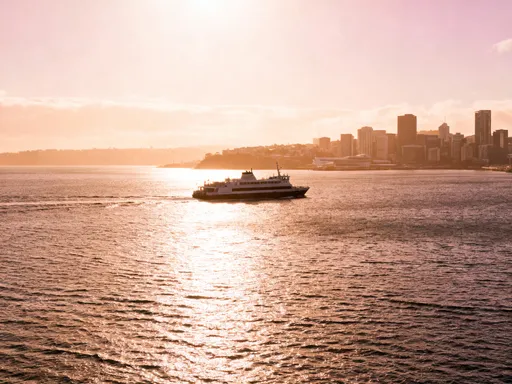
The harbor also connects Wellington to its surroundings. Ferries to Eastbourne, a charming seaside village, take less than twenty minutes and offer one of the most scenic commutes in the country. Passengers stand on deck, cameras in hand, as the city skyline recedes and the hills of the South Island come into view. This connection to the wider region reinforces the idea that Wellington is not isolated — it is part of a larger, living landscape. The water isn’t a barrier; it’s a bridge.
Why Slow Travel Fits Wellington Perfectly
Wellington was never meant for checklist tourism. You won’t find endless queues for photo ops or crowded souvenir shops on every corner. Instead, this city rewards those who slow down, who are willing to wander without a map, to sit in a park for an hour, to strike up a conversation with a stranger. Its size, culture, and geography align perfectly with the principles of slow travel — a mindful, immersive way of exploring that prioritizes depth over breadth.
The compact nature of the city means you can cover a lot on foot, but the real journey is internal. It’s about noticing how light filters through leaves in the Botanic Garden, how the smell of salt mixes with coffee in the air, how a busker’s melody lingers in your mind long after you’ve walked away. These are not moments to be captured on camera, but to be felt in the body and remembered in the heart.
Wellington also invites spontaneity. You might plan to visit a gallery, but end up spending the afternoon in a café listening to live jazz. You might set out for a hike, but be drawn instead to a small bookstore hosting a poetry reading. The city resists rigid schedules, encouraging you to follow your curiosity. And in doing so, it reveals its true self — not as a destination, but as a companion on your journey.
In a world that glorifies busyness, Wellington stands as a quiet reminder that there is value in stillness. It shows us that urban life can be gentle, that cities can restore as much as they energize. To travel here slowly is not to miss out — it is to arrive fully. It is to discover that the loudest thing about Wellington is not its streets, but its silence — a silence that speaks volumes to those willing to listen.