You Won’t Believe What I Found Shopping During Guanajuato’s Festival Magic
Guanajuato, Mexico, comes alive like nowhere else during its festival season. The streets buzz with color, music, and energy—and yes, incredible shopping. I didn’t expect to find handcrafted treasures around every corner, from silver jewelry to hand-embroidered textiles. This isn’t just shopping—it’s part of the celebration. Let me take you through the vibrant markets, local secrets, and festival moments that make Guanajuato’s shopping scene absolutely unforgettable. The city, nestled in the mountainous heart of central Mexico, transforms into a living canvas of art, sound, and tradition when the festivals begin. Every alleyway echoes with guitar strings, every plaza glows with lanterns, and every market stall tells a story. For travelers seeking authenticity, beauty, and connection, there’s no better time to visit—or to shop—than during Guanajuato’s magical festival season.
The Festival Vibe: Where Culture Meets Commerce
Guanajuato’s identity is deeply intertwined with its festivals, the most renowned being the Festival Cervantino, held annually in October. Named after Miguel de Cervantes, the literary giant behind Don Quixote, this internationally acclaimed event draws performers, artists, and audiences from over 40 countries. But beyond the symphonies in colonial plazas and dance performances in ancient theaters, the true magic unfolds on the streets—where culture doesn’t just perform, it lives. During festival weeks, the entire city becomes a stage, and commerce becomes an act of cultural expression. Artisans, weavers, potters, and silversmiths set up stalls beneath arched colonnades and along cobbled pedestrian lanes, turning everyday spaces into open-air galleries.
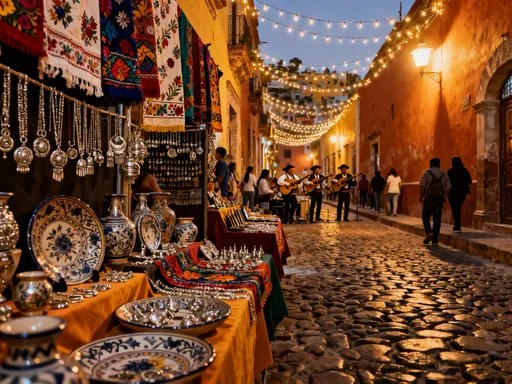
The transformation is both visual and emotional. Buildings painted in ochre, cobalt, and terracotta glow under string lights. Balconies overflow with marigolds, and the scent of warm tortillas mingles with the sharp tang of fresh paint from nearby muralists at work. Music spills from every corner—sometimes a full mariachi ensemble beneath the Jardín de la Unión, other times a solo flautist in a shadowed alley. Amid this sensory feast, shopping takes on a rhythm of its own. It’s not transactional; it’s participatory. Visitors don’t just browse—they engage, they listen, they learn. A vendor might explain the symbolism in a hand-painted tile, or a grandmother might demonstrate how her granddaughter learned embroidery at age six. These interactions, fleeting yet meaningful, are what elevate Guanajuato’s festival shopping from simple retail to cultural immersion.
What makes this experience so unique is the integration of art and daily life. Unlike curated tourist markets in other destinations, Guanajuato’s festival economy is rooted in genuine local practice. Families bring out heirloom crafts passed down for generations. Young designers blend traditional techniques with modern aesthetics. Students from the city’s prestigious art schools sell prints and ceramics, often inspired by the performances happening just blocks away. The festival doesn’t just attract commerce—it inspires it. This synergy between celebration and creation is what gives Guanajuato its soulful energy, making every purchase feel like a small act of preservation.
Markets That Pulse with Festival Energy
No visit to Guanajuato during festival season is complete without exploring its dynamic market spaces, each pulsing with a different rhythm and flavor. The Mercado Hidalgo, a grand 19th-century iron structure reminiscent of Parisian train halls, becomes a sensory epicenter during the Cervantino Festival. On regular days, it’s a bustling hub for fresh produce, spices, and regional cheeses. But during the festival, its upper levels and surrounding arcades expand into a curated artisan bazaar. Vendors from across Guanajuato State and neighboring regions set up shop, offering everything from hand-carved wooden masks to bottles of locally distilled raicilla, a smoky agave spirit gaining popularity among connoisseurs.
Adjacent to the market, the Jardín de la Unión—the city’s main square—transforms into an open-air performance and shopping promenade. Benches are replaced with temporary kiosks, and the central fountain becomes a backdrop for both impromptu dance and quiet haggling. Here, you’ll find younger artisans selling beaded jewelry, screen-printed tote bags featuring Mexican folk motifs, and hand-bound notebooks made from recycled amate paper. The atmosphere is lively but never overwhelming; even at peak hours, the layout allows for easy movement and thoughtful browsing. Street food vendors line the perimeter, offering festival favorites like elotes (grilled corn with chili and lime), esquites in cups, and churros dusted with cinnamon sugar—perfect for a mid-shopping refuel.
Equally compelling are the pop-up craft markets that emerge in plazas and courtyards throughout the city. These temporary spaces, often organized by local cooperatives or cultural associations, focus on authenticity and craftsmanship. You won’t find plastic trinkets or mass-produced souvenirs here. Instead, each stall represents a family business or collective effort. One might specialize in rebozos—long, fringed shawls woven on traditional looms—while another showcases intricately painted alebrijes, fantastical creatures born from Oaxacan imagination but now embraced by artists across Mexico. These markets often include live demonstrations, where visitors can watch a potter shape clay on a kick wheel or see how natural dyes are extracted from cochineal insects and local plants.
The sensory richness of these spaces is unforgettable. The air carries the earthy aroma of hand-thrown ceramics, the sweetness of caramelizing sugar from nearby candy makers, and the occasional whiff of copal incense burned by a vendor honoring pre-Hispanic traditions. Sounds layer upon one another—laughter from a family trying on sombreros, the rhythmic tapping of a silversmith polishing a pendant, the sudden burst of applause as a street performer completes a juggling act. Visually, the city becomes a mosaic: rainbow-striped serapes draped over stone walls, shelves lined with Talavera pottery in cobalt and gold, and walls adorned with embroidered textiles that look like tapestries. To walk through these markets is to step into a living museum of Mexican creativity.
Handmade with Heart: What You’ll Actually Want to Buy
What sets Guanajuato’s festival shopping apart is the depth and authenticity of the crafts on display. These are not souvenirs churned out for tourists—they are heirloom-quality pieces rooted in centuries-old traditions. Among the most sought-after items is Talavera pottery, a glazed ceramic art form that originated in Puebla but has found skilled practitioners in Guanajuato. Each piece is hand-painted with intricate floral and geometric patterns, often using only four natural pigments: cobalt blue, yellow, green, and rust red. Authentic Talavera is certified by a denomination of origin, and during the festival, many artisans proudly display their credentials. A small Talavera serving dish or mug makes a beautiful keepsake, but larger platters or tile sets can become centerpieces in any home.
Equally captivating is the region’s silver jewelry, much of which comes from nearby towns like San Felipe and Dolores Hidalgo. Unlike factory-made silver, these pieces are forged by individual silversmiths using techniques passed down through generations. You’ll find filigree earrings, hammered pendants, and rings set with amber or turquoise—each with slight imperfections that speak to its handmade nature. Many artisans offer custom engraving on the spot, allowing you to personalize a piece with a name, date, or meaningful symbol. For those interested in ethical consumption, buying directly from the maker ensures fair compensation and supports sustainable craftsmanship.
Textiles are another highlight. Huipiles, traditional embroidered blouses worn by indigenous women across Mexico, are available in styles that reflect both regional identity and personal artistry. Some feature floral motifs symbolizing fertility and growth, while others incorporate birds or celestial patterns representing spiritual beliefs. During the festival, you’ll meet women from communities like San Luis Potosí and Michoacán who travel to Guanajuato to sell their work. They often speak limited Spanish or may communicate through gestures and smiles, but their pride in their craft is unmistakable. Owning a huipil is not just about fashion—it’s about carrying a piece of cultural memory.
For those drawn to whimsy and imagination, alebrijes are a must-see. These brightly colored, fantastical sculptures—part dragon, part rooster, part deer—are carved from copal wood and painted with astonishing detail. Though they originated in Oaxaca, many Guanajuato artists have adopted the form, infusing it with local symbolism. Some depict creatures from Aztec mythology; others are playful interpretations of everyday animals. Because each alebrije is unique, collectors often return year after year to add to their displays. Even if you don’t take one home, watching an artist paint one—layer by layer, color by color—is a meditative experience that reveals the patience and precision behind the art.
Festival-Only Finds: Why Timing Your Visit Matters
One of the most compelling reasons to visit Guanajuato during festival season is the availability of exclusive, limited-edition items that simply aren’t found during the rest of the year. Artisans often reserve their most creative and experimental work for these events, knowing they’ll reach an audience that appreciates innovation as much as tradition. For example, during the Cervantino Festival, local printmakers release special edition posters and linocuts inspired by the year’s performances. A 2023 series featured a ballet rendition of Frida Kahlo’s life, with each print capturing a different emotional scene in bold, graphic style. These pieces, signed and numbered, sell out within days.
Similarly, many food artisans introduce seasonal products only during the festivals. Think of chocolate de mesa infused with orange blossom or chili, hand-rolled in small batches and wrapped in hand-painted paper. Or membrillo (quince paste) shaped into tiny animals and dusted with sugar—a nod to colonial-era confectionery. These edible treasures are as much about presentation as flavor, often packaged in reusable tins or cloth bags embroidered with festival logos. They make thoughtful gifts or personal indulgences, connecting taste with memory.
Perhaps the greatest advantage of festival timing is the opportunity to meet the makers in person. Outside of these weeks, many artisans sell their work through cooperatives or online platforms, losing the personal connection that gives their crafts meaning. But during the festival, they set up their own stalls, sharing stories about their families, their techniques, and their inspirations. Some bring inventory they don’t normally sell—older pieces, experimental designs, or collaborative works with other artists. One silversmith from San Miguel de Allende revealed he only brings his luna collection—pendants shaped like crescent moons with embedded moonstone—to Guanajuato, saying the city’s mystical energy matches the jewelry’s theme.
This sense of exclusivity extends to collaborations between local businesses and festival organizers. Pop-up shops may feature joint collections, such as a series of scarves designed by a Guanajuato fashion student and hand-embroidered by a collective of indigenous women. These pieces are produced in small runs and sold only during the event, making them truly unique. For the discerning shopper, this is where the real treasure lies—not in mass availability, but in rarity, story, and connection.
Navigating the Crowd: Smart Shopping Strategies
While the festival atmosphere is enchanting, it also brings crowds—especially on weekends and during headline performances. To make the most of your shopping experience, a few practical strategies can make a big difference. First, consider visiting markets in the early morning, between 9:00 and 11:00 a.m. Vendors are just setting up, the air is cool, and the light is perfect for photographing crafts. You’ll also have a better chance of engaging in relaxed conversation with artisans before the rush begins. By contrast, evenings are lively but crowded, with music and performances drawing large audiences through the shopping zones.
Another key tip is to carry cash in small denominations. While some vendors now accept mobile payments, many still operate on a cash-only basis, especially in pop-up stalls. Having pesos in 20s, 50s, and 100s makes transactions smoother and helps with bargaining, which is common but should be done respectfully. Never haggle aggressively—instead, ask if there’s a “precio especial” with a smile. Often, if you buy multiple items, the vendor will offer a small discount. Always count your change and keep money in a secure crossbody bag with a zipper.
Given Guanajuato’s hilly terrain and narrow alleyways, comfortable walking shoes are non-negotiable. The city’s famous calles and andadores (pedestrian streets) are paved with uneven stones, and you’ll likely walk several miles a day. Opt for supportive flats or low boots with good grip. A small, lightweight bag—preferably worn across the body—will keep your hands free and your belongings secure. Avoid large backpacks, which can be cumbersome in tight spaces and attract unwanted attention.
To stay oriented, use the official festival map, available at information booths and hotels, or download the Cervantino Festival app. These tools mark the locations of major performances, artisan zones, food stands, and rest areas. Some apps even allow you to bookmark favorite vendors or set reminders for pop-up events. If you’re planning to visit multiple markets, create a loose itinerary—start at Mercado Hidalgo, stroll through Jardín de la Unión, then explore the temporary plazas in the afternoon. This approach prevents overwhelm and ensures you don’t miss hidden gems tucked into side streets.
Beyond the Stalls: Shopping as Cultural Connection
In Guanajuato, shopping during the festival is not merely about acquiring objects—it’s about forming connections. Every conversation with a vendor is a bridge to another world. I remember speaking with Doña Elena, a woman in her seventies who sold hand-embroidered napkins outside the Teatro Juárez. She told me she learned the craft from her mother, who stitched by candlelight after working in the fields. Now, her daughters and granddaughters continue the tradition, blending old patterns with new colors. “When someone buys one of these,” she said, “they’re not just getting linen and thread. They’re carrying a little of our family’s heart.” Her words stayed with me, transforming how I viewed every piece I considered purchasing.
These moments are common. A young potter from Dolores Hidalgo explained how his clay is sourced from the same river his grandfather used, and how firing techniques haven’t changed in 100 years. A jewelry maker from San Felipe described how his designs are inspired by the constellations his ancestors used for navigation. These stories aren’t sales tactics—they’re invitations to understand. When you buy directly from the artisan, you’re not just supporting a business; you’re sustaining a lineage. You’re helping keep a language of symbols, colors, and techniques alive in a world that often prioritizes speed over soul.
For many visitors, especially women in their 30s to 50s who value meaning and authenticity, this emotional resonance is what makes the experience so powerful. A shawl isn’t just warmth—it’s a legacy. A mug isn’t just for coffee—it’s a daily reminder of a place where art is lived, not just displayed. These objects become anchors of memory, connecting us to people and places long after we’ve returned home. In a time when so much feels disposable, Guanajuato’s festival crafts offer something rare: permanence, purpose, and pride.
Planning Your Own Festival Shopping Adventure
If you’re inspired to experience Guanajuato’s festival magic for yourself, the best time to plan your trip is around the Cervantino Festival, which runs for nearly three weeks in mid-October. Tickets for major performances sell out months in advance, but the city welcomes all visitors to enjoy the open-air markets, street art, and public concerts. For a more intimate experience, consider arriving in the first or second week, when the initial rush has settled but the energy remains high.
When choosing accommodations, aim to stay within the historic center, where most festival activity takes place. Boutique hotels, many housed in restored colonial buildings, offer charm and convenience. Look for options with central courtyards, on-site cafes, and walking distance to Jardín de la Unión and Callejón del Beso. Booking six to nine months in advance is advisable, especially if traveling with family or friends. Many hotels also offer festival packages that include guided market tours, cooking classes, or reserved seating for select performances.
As you prepare, pack thoughtfully. Bring a foldable tote bag for shopping, a reusable water bottle (refill stations are available), and a small notebook to record stories from artisans. Consider leaving extra space in your suitcase—or even shipping larger items home through reliable courier services available in the city. Most importantly, approach your trip with openness and curiosity. Let yourself be surprised by a melody in an alley, a color in a textile, or a smile from a stranger. Let shopping be more than a task—it can be a journey of discovery.
Guanajuato’s festival season reminds us that beauty is not just seen, but felt. It lives in the hands that shape clay, the voices that sing in plazas, the threads that stitch generations together. To shop here is not to consume, but to participate. It is to say, with every purchase, “I see your work. I honor your story.” And in doing so, we carry a piece of Guanajuato’s spirit with us—wherever we go.