Why You’ve Gotta Drive Through Stockholm’s Wild Side
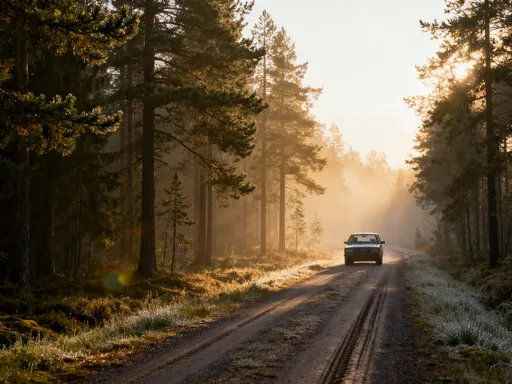
You know what I didn’t expect from Stockholm? That just beyond its sleek cityscape lies a breathtaking network of protected natural gems—best explored by car. I hit the open road, windows down, playlist loud, and discovered a quieter, wilder Sweden. From misty forests to coastal trails, these preserved areas offer pure escape. Self-driving gave me the freedom to chase light-filled mornings and hidden viewpoints no tour bus could reach. With every turn off the main highway, I found myself immersed in landscapes shaped by glaciers, silence, and centuries of ecological balance. This is not just travel—it’s a reconnection with nature on terms that feel both personal and deeply respectful.
The Freedom of the Open Road in Sweden
Driving through Sweden offers a unique blend of autonomy and harmony with nature. Unlike many urban-centric travel experiences, where schedules dictate movement and access, driving in and around Stockholm allows for a more intuitive rhythm. You can wake up early, brew coffee in a thermos, and set off without needing to coordinate with train timetables or guided tours. The ability to stop spontaneously—perhaps at a small lakeside clearing where the water glimmers under morning light—transforms a simple drive into an immersive journey. This kind of flexibility is especially valuable when exploring the vast natural regions surrounding the capital, where public transportation may reach major towns but often misses the quieter, more scenic pathways.
Renting a car in Stockholm is straightforward and accessible to international travelers. Major rental companies operate at Arlanda Airport, as well as in the city center, offering vehicles ranging from compact hybrids to larger SUVs suited for rural terrain. Most rentals come with GPS navigation systems, though downloading offline maps via apps like Google Maps or Apple Maps is highly recommended for areas with spotty signal. International drivers can use their home country’s license for up to one year, provided it’s in Latin script or accompanied by an official translation. Insurance options are clearly outlined during booking, and choosing comprehensive coverage is wise, especially if planning to drive on gravel or forest roads.
When selecting a vehicle, consider the type of terrain you’ll encounter. While paved roads connect most towns and park entrances, secondary routes leading to trailheads or remote viewpoints may be unpaved. A car with slightly higher clearance can make these drives smoother and more comfortable. Electric vehicles are increasingly common, and Sweden’s charging infrastructure continues to expand, particularly along main highways. Many rental agencies now offer EVs, and charging stations are often located at rest areas, shopping centers, and even some national park visitor centers. Planning charging stops ahead of time ensures uninterrupted travel, especially during colder months when battery efficiency decreases.
Swedish driving etiquette reflects the country’s broader cultural values: order, safety, and environmental responsibility. Speed limits are strictly enforced, and automated cameras monitor highways and urban zones. Drivers consistently yield to pedestrians, use turn signals well in advance, and maintain safe distances. Wildlife crossings are marked with signage, particularly in forested areas where moose and deer are active at dawn and dusk. Observing these rules isn’t just about compliance—it’s part of respecting the shared environment. Additionally, fuel stations are generally self-service, and many accept contactless payments, making refueling quick and efficient. Understanding these norms enhances both safety and enjoyment on the road.
What Are Protected Areas—and Why They Matter
Sweden takes environmental stewardship seriously, with over 15% of its land designated as protected areas. These include national parks, nature reserves, and sites under the European Union’s Natura 2000 network, all working together to conserve biodiversity and safeguard ecosystems. Around Stockholm, this protection extends to ancient forests, pristine wetlands, and fragile coastal habitats. Each classification has specific goals: national parks focus on preserving large, undisturbed natural landscapes while allowing public access for recreation; nature reserves often protect particular species or geological features; and Natura 2000 sites emphasize cross-border ecological connectivity and long-term sustainability.
These protected zones play a vital role in maintaining ecological balance. Old-growth pine and spruce forests act as carbon sinks, storing vast amounts of CO₂ and supporting complex food webs. Wetlands filter water, prevent flooding, and provide breeding grounds for birds and amphibians. Coastal meadows along the Baltic Sea and Lake Mälaren host rare plant species adapted to brackish conditions. By preserving these areas, Sweden ensures that future generations inherit a country rich in natural heritage. Moreover, scientific research conducted within these zones contributes to global understanding of climate resilience and species adaptation.
Visitor access is carefully managed to balance enjoyment with conservation. In national parks, established trails, designated picnic areas, and marked camping spots help concentrate human activity and reduce impact. Nature reserves may have stricter rules—some prohibit entry altogether during sensitive breeding seasons, while others allow only guided visits. Signage at trailheads clearly outlines permitted activities, such as hiking, birdwatching, or berry picking, and restrictions like no motorized vehicles, no open fires, and no disturbing wildlife. These guidelines are not arbitrary; they are based on ecological assessments and long-term monitoring data.
Sustainable tourism is essential to preserving these spaces. Every footstep, campfire, or discarded wrapper has a cumulative effect. When visitors follow the rules—staying on marked paths, packing out trash, and keeping noise levels low—they contribute to the longevity of these ecosystems. Local communities also benefit from responsible tourism through increased support for small businesses, eco-lodges, and nature guides. Ultimately, protecting these areas is not just a governmental duty but a shared responsibility. Travelers who engage mindfully become allies in conservation, helping to ensure that Sweden’s wild spaces remain intact for decades to come.
Top 5 Protected Natural Escapes Within Driving Distance
Just a short drive from Stockholm’s city center lie some of Sweden’s most serene and visually striking natural destinations. Each offers a distinct experience, whether you’re seeking dense woodland solitude, coastal serenity, or wetland tranquility. These five locations are all within a three-hour drive, making them ideal for day trips or weekend excursions. All are accessible by car, with clearly marked parking areas and visitor facilities designed to minimize environmental impact.
Tyresta National Park, located about 40 minutes southeast of Stockholm, is one of the last remaining expanses of old-growth forest in the region. Towering pine trees, some over 300 years old, create a cathedral-like canopy that filters sunlight into soft golden beams. A network of well-maintained trails winds through the forest, leading to crystal-clear lakes perfect for a refreshing dip in summer or quiet reflection in autumn. The longest loop trail, approximately 10 kilometers, takes hikers past historical charcoal-burning sites and offers panoramic views from rocky outcrops. Spring brings carpets of anemones, while fall transforms the forest into a mosaic of amber and rust. Parking is available at the main entrance, and restrooms and informational boards are provided for visitors.
Along the southern shores of Lake Mälaren, the coastal trails near Trosa and Vagnhärad offer a different kind of beauty. These routes follow the water’s edge, where rocky inlets give way to sandy coves and windswept pines cling to granite cliffs. The landscape reflects Sweden’s glacial past, with smoothed bedrock and scattered boulders. Hiking paths are generally flat and suitable for all fitness levels, making them ideal for families or those looking for a gentle walk. Many spots along the trail invite rest—weathered wooden benches face the lake, offering peaceful places to enjoy a packed lunch or simply listen to the lap of waves. In summer, locals kayak between islands, and the air carries the scent of pine and water. Parking is available at designated lots near trailheads, and small cafes in nearby villages serve fresh seafood and homemade pastries.
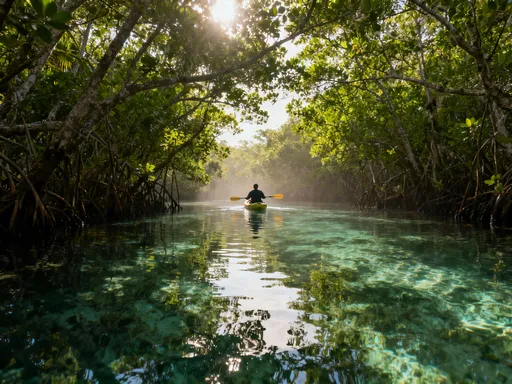
Färnebofjärden National Park, about two hours north of Stockholm, centers around a vast wetland system where the Dalälven River spreads into a labyrinth of channels, islands, and marshes. Elevated boardwalks allow visitors to walk above the reeds without disturbing the delicate ecosystem. This area is a haven for birdwatchers, hosting species like ospreys, kingfishers, and cranes. In spring and early summer, the marshes echo with bird calls, and mist often rises from the water in the early morning, creating an almost mystical atmosphere. Canoeing and kayaking are popular activities, with rental services available in nearby towns. The park also features several short hiking loops, each highlighting different aspects of the wetland environment. Rest areas with picnic tables and composting toilets are strategically placed along the routes.
Nackareservatet, much closer to the city, provides a surprisingly wild experience just 20 minutes from central Stockholm. This nature reserve protects a mix of coniferous forest, wetlands, and small lakes, all interconnected by wooden footbridges and gravel paths. It’s particularly popular among local residents seeking a quick escape into nature. The reserve is home to beavers, otters, and numerous bird species, and its quiet trails are ideal for meditation or mindful walking. Despite its proximity to urban areas, the sounds of traffic fade quickly once inside the forest. Well-marked entrances and clear signage make navigation easy, and the compact size allows for a full loop in under two hours. It’s an excellent option for those with limited time but still wanting an authentic natural experience.
Finally, the Archipelago Nature Reserve, stretching eastward into the Baltic Sea, offers a fragmented landscape of over 30,000 islands and skerries. While some islands require boats to reach, several accessible by car—such as Utö and Resarö—serve as gateways to this maritime wilderness. These islands feature rugged coastlines, wind-sculpted pines, and quiet coves perfect for swimming or sunbathing. Trails vary in difficulty, with some leading to lighthouses or old fishing villages. Ferry connections from towns like Nynäshamn or Vaxholm make island-hopping possible, and many visitors combine driving with short boat rides. Summer is the best time to visit, when the days are long and the sea is calm. Even in peak season, the sheer size of the archipelago ensures that solitude is never far away.
Planning Your Self-Drive Nature Adventure
Creating a successful self-drive nature trip begins with thoughtful preparation. Start by selecting destinations that match your interests and physical capabilities. If you enjoy long hikes, prioritize parks with extensive trail networks like Tyresta or Färnebofjärden. For those seeking relaxation, coastal areas with scenic viewpoints or lakeside picnic spots may be more appealing. Consider the season and weather forecast—spring and early summer bring lush greenery and active wildlife, while autumn offers vibrant foliage and fewer insects. Winter drives can be magical, but require extra caution due to icy roads and limited daylight.
Once destinations are chosen, map out your route using reliable navigation tools. Google Maps and Apple Maps work well for main roads, but downloading offline versions ensures access in remote areas. For more detailed outdoor planning, the Naturkartan app—developed by the Swedish Environmental Protection Agency—provides precise information on trails, parking, rest areas, and protected zones. It also indicates which areas are closed seasonally for conservation purposes. Combining digital tools with a physical map as backup is a prudent strategy, especially when venturing into less-traveled regions.
Packing essentials is another critical step. Bring layers of clothing to adapt to changing temperatures, including a waterproof jacket and sturdy walking shoes. Even in summer, mornings and evenings can be cool, particularly near water. Carry plenty of water, high-energy snacks, and a simple first-aid kit. A reusable water bottle, picnic blanket, and binoculars enhance the experience without adding bulk. If planning to spend several hours outdoors, a portable phone charger ensures your devices remain functional for navigation and emergency contact.
Fuel and charging logistics should not be overlooked. While gas stations are frequent along main highways, they become sparse in rural areas. Refueling before leaving populated zones is advisable. For electric vehicle users, plug in whenever possible, even if the battery isn’t low. Charging stations are increasingly available at rest areas, supermarkets, and park visitor centers. The PlugShare and ChargeNow apps help locate nearby charging points and show real-time availability. Always allow extra time for charging, especially in cold weather, which reduces battery efficiency. Planning stops around meals or sightseeing makes the process seamless and stress-free.
Responsible Travel: How to Leave No Trace
Exploring Sweden’s natural areas comes with a responsibility to protect them. The principle of allemansrätten—the right of public access—is foundational to Swedish outdoor culture. It grants everyone the freedom to roam freely in nature, but with the expectation of respect and care. This means staying on marked trails, not picking plants or disturbing animals, and carrying out all trash. Even biodegradable items like apple cores or banana peels should be taken home, as they can introduce non-native microbes or attract wildlife to human-populated zones.
Campfires are a beloved tradition, but they are not allowed everywhere. In many protected areas, especially during dry periods, open fires are prohibited to prevent forest fires. Where permitted, use designated fire pits and never leave flames unattended. Collect only fallen twigs and small branches—never cut live trees or remove moss-covered logs, which serve as habitats for insects and fungi. After use, extinguish the fire completely with water, not soil, to ensure no embers remain.
Wildlife should be observed from a distance. Feeding animals disrupts their natural behavior and can make them dependent on humans. Birds, deer, and even smaller creatures like frogs are best appreciated without interference. If you encounter nesting sites or young animals, quietly move away to avoid causing stress. Dogs must be kept on leashes in many reserves, particularly during breeding seasons, to prevent them from chasing wildlife or trampling vegetation.
Respect for local communities is equally important. Small villages near nature areas rely on tourism, but they also value peace and cleanliness. Park only in designated lots, not along narrow country roads. Keep noise levels low, especially in the early morning or evening. Supporting local businesses—buying coffee at a village café or purchasing handmade crafts—contributes positively to the region’s economy and fosters goodwill. When travelers act with mindfulness, they help preserve not only nature but also the cultural fabric of rural Sweden.
Seasonal Shifts: When to Go and What to Expect
Sweden’s climate creates dramatic seasonal transformations, each offering a unique perspective on the landscape. Summer, from June to August, provides the longest daylight hours, with the sun rising before 4 a.m. and setting after 10 p.m. This extended light allows for early morning drives to catch the mist rising from lakes or late evening walks under a golden sky. Insects are present, but early mornings and higher elevations tend to be more comfortable. Forests are lush, flowers bloom along trails, and water temperatures in lakes and sheltered bays become warm enough for swimming.
Autumn, particularly September and October, is often considered the most beautiful season. The forests turn into a tapestry of red, orange, and gold, and the air becomes crisp and invigorating. Fewer tourists mean quieter trails and more intimate experiences. Mushrooms and berries are abundant, and locals often forage for chanterelles and cloudberries—though visitors should confirm local regulations before picking. Rainfall increases, so waterproof gear is essential, but overcast days can enhance the moodiness and depth of the scenery.
Winter, from December to March, transforms the landscape into a monochrome wonderland. Snow blankets the ground, muffling sound and creating a sense of stillness. Driving requires winter tires, which are mandatory from December to March, and caution on icy roads is crucial. Shorter daylight hours mean planning hikes during midday for maximum light. Yet, winter offers unique rewards: frozen lakes ideal for ice skating, cross-country ski trails that follow forest paths, and the possibility of seeing the northern lights in darker, rural areas. Many visitors find the silence of a snow-covered forest profoundly restorative.
Spring, from April to early June, brings renewal. Snow melts, streams swell, and birds return in waves. The forest floor awakens with wildflowers, and the sound of running water fills the air. This is an excellent time for photography and birdwatching, though muddy trails may require waterproof boots. Daylight increases rapidly, and by late May, Sweden once again approaches near-constant daylight. Spring is less crowded than summer, making it ideal for those seeking solitude and the first signs of life after winter.
Why This Journey Changes How You See Sweden
Driving through Stockholm’s protected landscapes does more than showcase scenic beauty—it reveals the heart of Swedish life. Here, nature is not a distant attraction but an integral part of daily existence. Swedes grow up with the understanding that forests, lakes, and coastlines belong to everyone, and that access comes with responsibility. This cultural mindset shapes everything from urban planning to education, where children regularly spend class time outdoors regardless of weather.
For visitors, especially those from densely populated or highly urbanized countries, this relationship with nature can be deeply moving. There is a sense of freedom in knowing you can stop at any public roadside forest, walk in any direction, and find peace without needing a ticket or permission. The silence, the clean air, the absence of crowds—these are not luxuries but norms. Experiencing this firsthand shifts one’s perspective on what a balanced life might look like.
These journeys also foster introspection. Without the constant stimulation of city life, the mind settles. Conversations slow. Thoughts deepen. A simple moment—watching a kingfisher dive into a stream or hearing the wind move through tall pines—can become a highlight. This kind of travel is not about collecting photos or checking off landmarks; it’s about presence, awareness, and reconnection.
Moreover, seeing conservation in action inspires hope. Sweden demonstrates that economic development and environmental protection are not mutually exclusive. Renewable energy, sustainable forestry, and eco-conscious tourism coexist with a high standard of living. By participating in this model—by driving mindfully, leaving no trace, and respecting local customs—visitors become part of a larger movement toward responsible global citizenship.
Ultimately, a self-drive adventure through Stockholm’s wild side is more than a vacation. It is an invitation to slow down, breathe deeply, and remember what matters. It reminds us that beauty exists in simplicity, that space is healing, and that the natural world holds wisdom beyond words. So rent that car, plan your route, and let the quiet roads lead you to something real.